Top 10 Best NVMe SSDs of 2026
Choosing the right NVMe SSD depends on balancing speed, endurance, capacity, and price for your specific needs. Modern Gen 4 drives handle most tasks flawlessly, while Gen 5 drives offer raw throughput for professional workloads. This list covers the best options across budget, mainstream, and high-performance tiers.
1. Crucial P3 Plus 1TB
The Crucial P3 Plus remains the best budget NVMe SSD in 2026, priced at approximately $54 for 1TB. It delivers sequential reads of 5,000 MB/s and writes of 4,200 MB/s on the PCIe 4.0 interface. The drive uses Micron 176-layer QLC NAND and includes a 150 TBW endurance rating.
This drive suits users building budget gaming PCs or anyone needing a secondary storage drive. Windows boots feel instant, and game loading times match premium drives in typical scenarios. The weakness is sustained write performance drops significantly once the SLC cache fills during large transfers.
2. WD Black SN850X 1TB
The WD Black SN850X sets the standard for premium Gen 4 performance at $79 for 1TB. Sequential reads hit 7,300 MB/s with random read performance reaching 1,200K IOPS. The 1,800 TBW endurance rating provides confidence for heavy daily use over many years.
Gamers building a primary system drive will find this the ideal choice. DirectStorage-enabled games benefit from the consistent random read performance. The only drawback is the price premium over budget options when real-world gaming differences remain minimal for most titles.
3. Crucial T705 1TB
The Crucial T705 leads Gen 5 performance with sequential reads of 14,500 MB/s and writes of 12,700 MB/s, priced at $109 for 1TB. It uses Micron 232-layer TLC NAND with a Phison E26 controller. The 1,200 TBW endurance rating matches expectations for this capacity.
Content creators working with 8K video or large RAW photo batches will notice the throughput improvement. Sustained transfers of hundreds of gigabytes complete noticeably faster than Gen 4 alternatives. The drive runs hot under load and requires a heatsink – most motherboard-included heatsinks work adequately.
4. Samsung 990 Pro 2TB
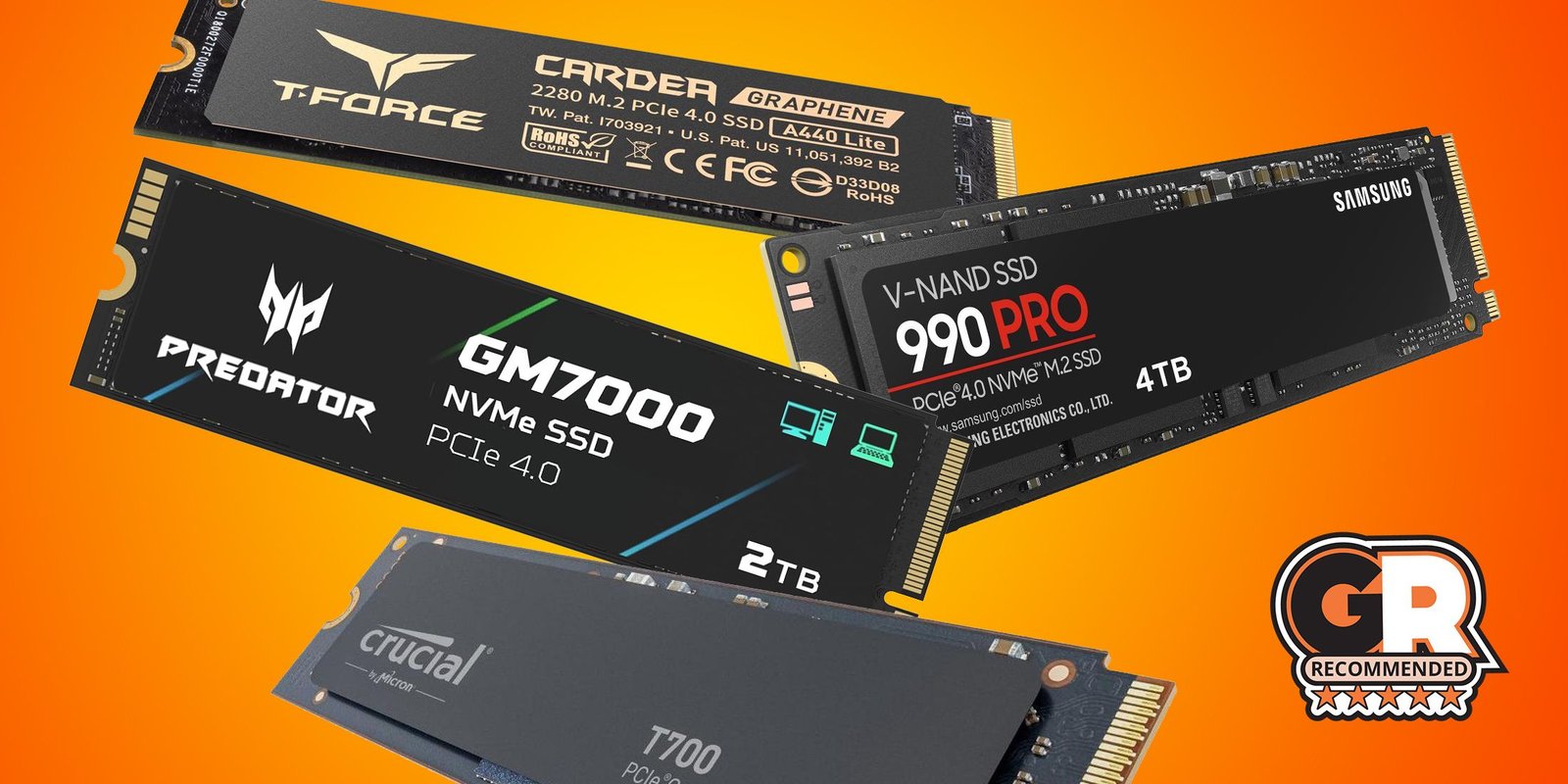
The Samsung 990 Pro at $129 for 2TB offers the best balance of capacity, speed, and reliability in the Gen 4 tier. Sequential performance reaches 7,450 MB/s reads and 6,900 MB/s writes. Samsung’s proprietary controller and V-NAND deliver consistent sustained performance with a 1,200 TBW endurance rating.
Power users needing a reliable high-capacity boot drive should consider this option. Samsung Magician software provides useful drive health monitoring and firmware updates. The premium price over competitors with similar specs is the main consideration.
5. Seagate FireCuda 540 2TB
The Seagate FireCuda 540 delivers Gen 5 speeds at $179 for 2TB with sequential reads of 10,000 MB/s and writes of 10,000 MB/s. The drive features a Phison E26 controller with Seagate firmware optimization. A five-year warranty and 2,000 TBW endurance provide long-term reliability assurance.
Gamers wanting Gen 5 speeds with higher capacity will appreciate this drive. The symmetrical read and write speeds benefit users frequently moving large game installations. Performance sits below the fastest Gen 5 drives but at a lower price per gigabyte.
6. SK Hynix Platinum P41 1TB
The SK Hynix Platinum P41 offers excellent Gen 4 performance at $69 for 1TB. Sequential reads reach 7,000 MB/s with outstanding random performance at 1,400K IOPS reads. The 750 TBW endurance and five-year warranty provide solid reliability credentials.
Users prioritizing random read performance for application responsiveness should consider this drive. Database work and development environments benefit from the strong random access speeds. Availability can be inconsistent depending on region and retailer.
7. Kingston Fury Renegade 2TB
The Kingston Fury Renegade provides Gen 4 performance with a large heatsink included at $139 for 2TB. Sequential speeds reach 7,300 MB/s reads and 7,000 MB/s writes. The graphene aluminum heatsink maintains performance during sustained workloads without requiring motherboard cooling.
PS5 owners needing expanded storage will find this drive particularly suitable given the included heatsink meets console requirements. PC users in cases with limited airflow also benefit. The heatsink adds height that may cause clearance issues in some M.2 slots.
8. Sabrent Rocket 5 1TB
The Sabrent Rocket 5 brings Gen 5 performance at a competitive $99 for 1TB. Sequential reads reach 14,000 MB/s and writes hit 12,000 MB/s. Sabrent includes a copper heatsink and offers robust customer support with a five-year warranty.
Early adopters wanting Gen 5 speeds without premium pricing should consider this option. The included heatsink works well though third-party options may provide better thermal performance. Firmware updates have addressed early controller issues reported at launch.
9. Teamgroup MP44L 1TB
The Teamgroup MP44L delivers surprising Gen 4 performance at just $47 for 1TB. Sequential reads of 5,000 MB/s and writes of 4,500 MB/s compete with drives costing considerably more. The graphene heat spreader label provides basic thermal management.
Budget builders maximizing value per dollar will find this drive compelling. Performance matches the Crucial P3 Plus while often costing less. Brand recognition is lower than major manufacturers, though Teamgroup has established a solid reliability record.
10. Corsair MP700 Pro 2TB
The Corsair MP700 Pro represents the high end of Gen 5 at $229 for 2TB. Sequential reads reach 12,400 MB/s with writes at 11,800 MB/s. The drive ships with a substantial heatsink and integrates with Corsair iCUE software for monitoring.
Enthusiasts already invested in Corsair ecosystem products will appreciate the software integration. The heatsink design complements Corsair cases and motherboards aesthetically. The premium price is difficult to justify purely on performance grounds compared to alternatives.
Bottom Line: Most users will find excellent value in Gen 4 drives like the WD Black SN850X or budget options like the Crucial P3 Plus. Gen 5 drives make sense primarily for professional content creation workflows where sustained large file transfers are routine.