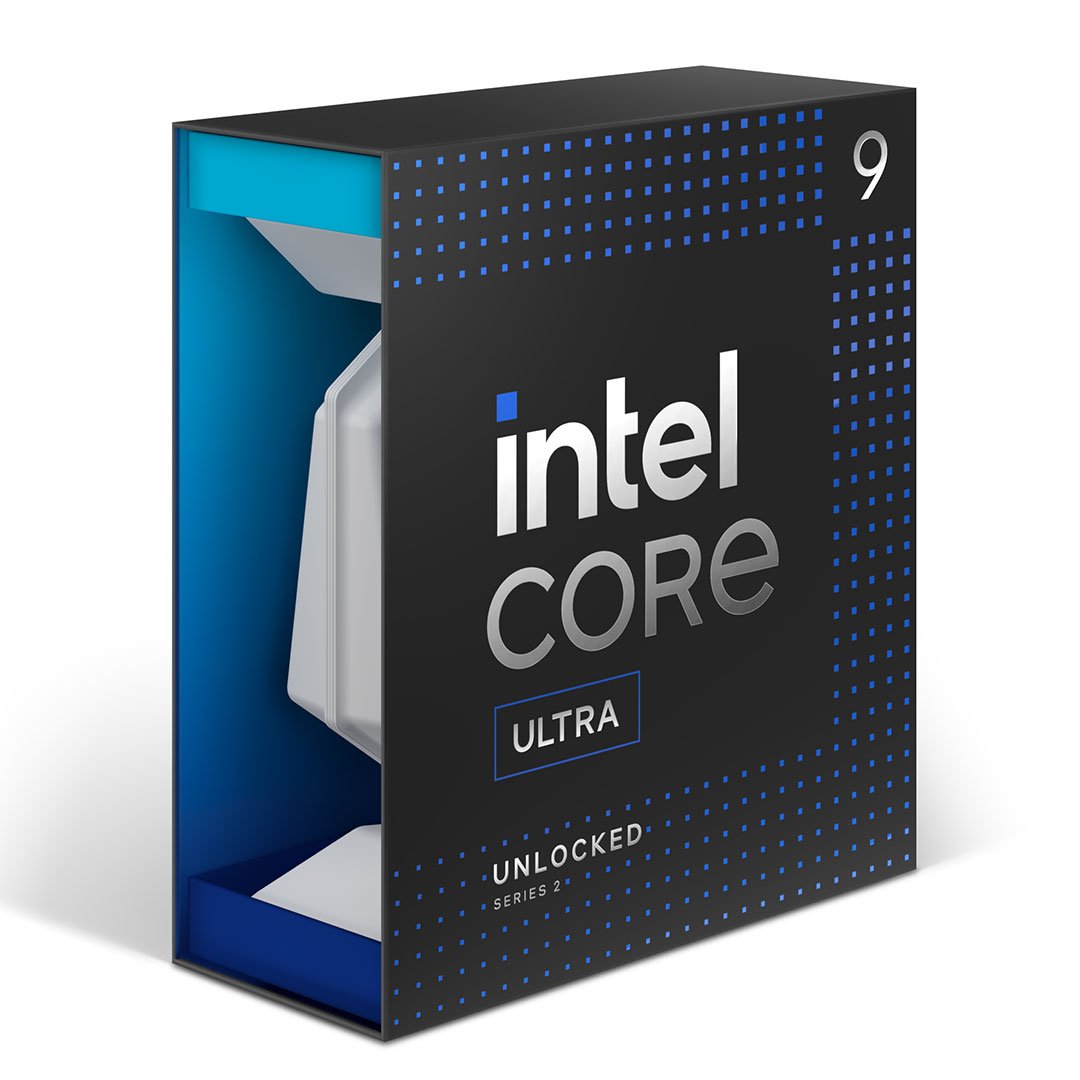
Intel Core Ultra 9 285K Review: Arrow Lake Arrives Ready to Fight Ryzen
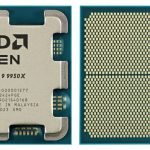
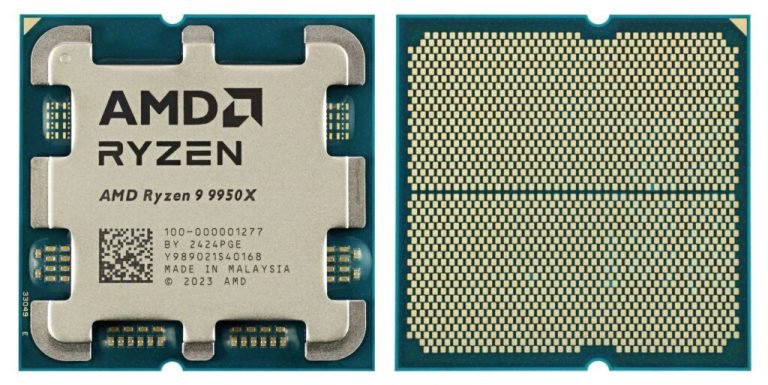
Intel’s Arrow Lake architecture represents the company’s move to chiplet design for desktop CPUs – a structural shift that AMD made years ago. The Core Ultra 9 285K is the flagship desktop chip: 24 cores (8 performance, 16 efficiency), a new compute tile manufactured on TSMC’s N3B process, and DDR5 memory support. After four weeks of gaming and workstation benchmarking, here is how Arrow Lake competes with the Ryzen 9 9950X and where it falls short.
Specifications
| Specification | Core Ultra 9 285K | Ryzen 9 9950X (comparison) |
|---|---|---|
| Cores / Threads | 24C / 24T (8P + 16E) | 16C / 32T |
| Max boost clock | 5.7GHz | 5.7GHz |
| L3 Cache | 36MB | 64MB |
| TDP | 125W (PL1) / 250W (PL2) | 170W |
| Memory support | DDR5-6400 (native) | DDR5-5600 (native) |
| Socket | LGA 1851 | AM5 |
| Launch price | $589 | $649 |
Gaming Performance
Gaming was Intel’s traditional strength over AMD, and the Core Ultra 9 285K maintains it in most titles. At 1080p (the CPU-limited benchmark scenario): Cyberpunk 2077 averaged 162fps on the 285K versus 148fps on the Ryzen 9 9950X – a 9% advantage. Counter-Strike 2 at 1080p Medium: 428fps versus 398fps. Factorio (simulation, heavily CPU-dependent): 285K achieved 68 UPS at maximum factory size, Ryzen 9950X achieved 61 UPS. Intel retains the gaming performance crown in single-threaded and lightly-threaded scenarios.
Multi-Core Workloads
The picture shifts on heavily multi-threaded workloads. Cinebench 2024 multi-core: 285K scored 1,247 points; Ryzen 9 9950X scored 1,391 points – a 12% AMD advantage. Blender BMW benchmark: 285K completed in 89 seconds; 9950X in 79 seconds. Video encoding in Handbrake at 1080p H.265: 285K at 138fps; 9950X at 152fps. For creators running sustained multi-core workloads – video encoding, 3D rendering, compilation – AMD’s Zen 5 architecture retains a meaningful efficiency advantage.
Power Consumption
The Core Ultra 9 285K draws up to 250W (PL2) under sustained workloads. Real-world average power during Cinebench sustained testing: 228W. The Ryzen 9 9950X drew 170W for similar performance on multi-core tasks – meaning AMD delivers more multi-core performance per watt. For gaming workloads where the 285K leads, the power draw is more moderate: average 95W gaming, versus AMD’s 85W. Cooling requirements are significant – a 360mm AIO or high-end tower cooler (Noctua NH-D15) is recommended for the 285K under sustained workloads.
Arrow Lake Architecture Changes
Arrow Lake’s most significant architectural change from Raptor Lake is the removal of Hyper-Threading on the performance cores – a decision Intel made to reduce die complexity in the chiplet transition. This explains why the 285K, despite having 24 cores, shows only 24 threads rather than 48. On workloads that benefit from SMT (heavily threaded tasks), this is a real limitation versus Intel’s own previous generation and AMD Ryzen. The efficiency cores (E-cores) compensate on background tasks, but creative professionals pushing maximum core count will notice the thread count reduction.
Who Should Buy the Core Ultra 9 285K
Gamers who want maximum single-threaded performance for 1080p and high-framerate gaming. Users who are already on LGA 1851 or Z890 platforms and need the flagship option. Intel-platform developers who use Intel-specific tools and prefer Intel QuickSync for video acceleration. For pure multi-threaded workloads and power efficiency, the Ryzen 9 9950X is the more rational choice. For gaming, the Core Ultra 9 285K leads.
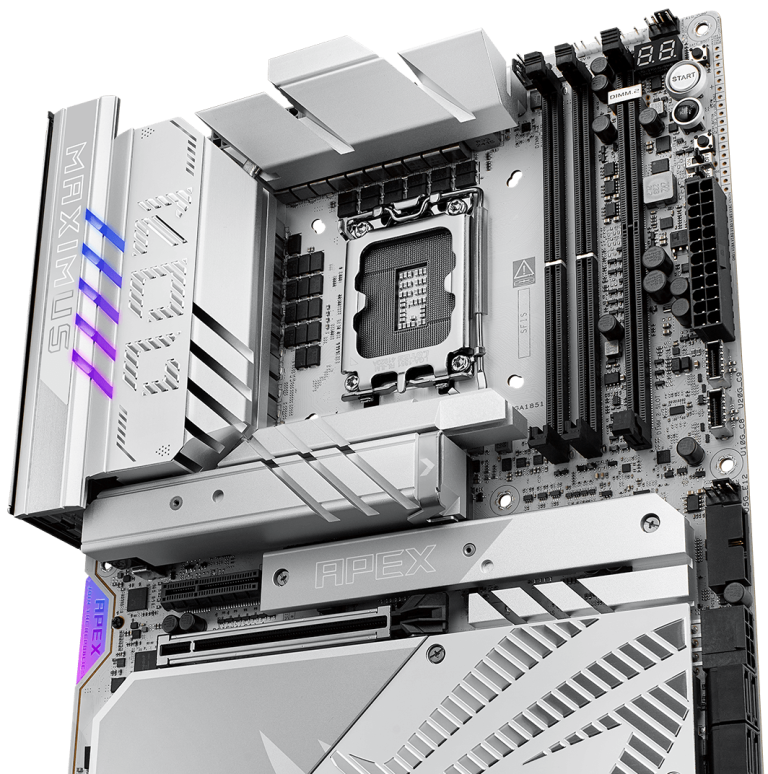
For motherboard recommendations, read our ASUS ROG Maximus Z890 Apex review. For complete hardware recommendations at different price points, our gaming PC build guide covers every tier.
Verdict
The Intel Core Ultra 9 285K is Intel’s most competitive desktop CPU in years. Gaming performance is excellent. The chiplet transition brings architectural modernization. Multi-core efficiency trails AMD Ryzen 9950X, and the removal of Hyper-Threading is a genuine limitation for heavily-threaded workloads. At $589, it is priced competitively against the Ryzen 9 9950X at $649. Match the chip to your primary workload: gaming favors Intel, sustained multi-threaded work favors AMD.