iPhone X Review: What Apple Got Right in 2017 (And What Wore Off)
The iPhone X launched at $999 in November 2017 and changed the iPhone’s face permanently. Eight years on, a look at what it got right and what the years have revealed.

The iPhone X launched at $999 in November 2017 and changed the iPhone’s face permanently. Eight years on, a look at what it got right and what the years have revealed.

The iPhone 13 Pro introduced ProMotion to the standard Pro size and macro photography to the iPhone lineup. At $350 to $450 used in 2026, it holds up surprisingly well.
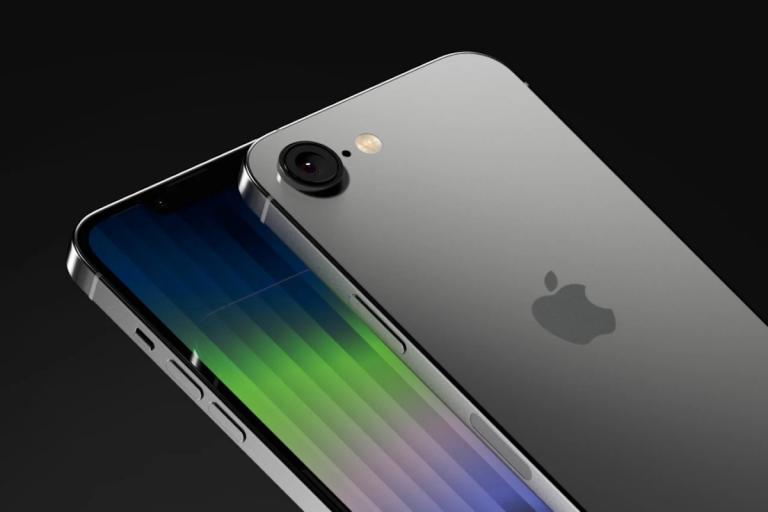
The fourth-generation iPhone SE ships with OLED, Face ID, USB-C, MagSafe, and an A18 chip for $599. It is the best SE Apple has made.

The iPhone 14 Pro introduced Dynamic Island, the 48MP camera, and Always-On Display. In 2026 at refurbished prices around $599, it is still a genuinely capable phone.

The iPhone 15 brought USB-C, a 48MP main camera, and Dynamic Island to the standard lineup. In 2026 at $699, it is one of the best-value iPhones you can buy.

The iPhone 15 Pro Max introduced titanium, USB-C, and the first 5x telephoto on any iPhone. Priced at $899 to $999 used in 2026, it remains a strong buy.
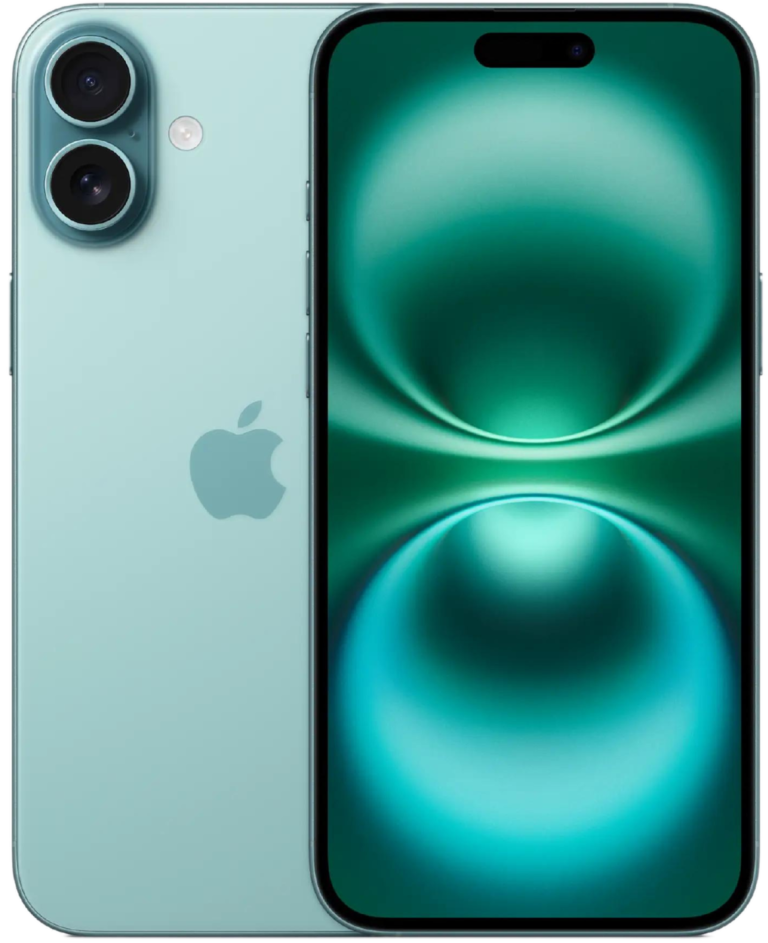
The iPhone 16 Plus offers the best battery life in the non-Pro lineup and a 6.7-inch screen at $899. It is a narrow recommendation for a specific type of buyer.

The iPhone 16 adds the Action button, Camera Control, and Apple Intelligence to the standard lineup. At $799, it is the right iPhone for most buyers.

The iPhone 16 Pro brings the same A18 Pro chip and 5x telephoto as the Pro Max in a 199g body. For most people, this is the better buy.

The iPhone 16 Pro Max delivers Apple’s best camera system yet, a 5x telephoto that earns its keep, and battery life that comfortably crosses 12 hours of mixed use.