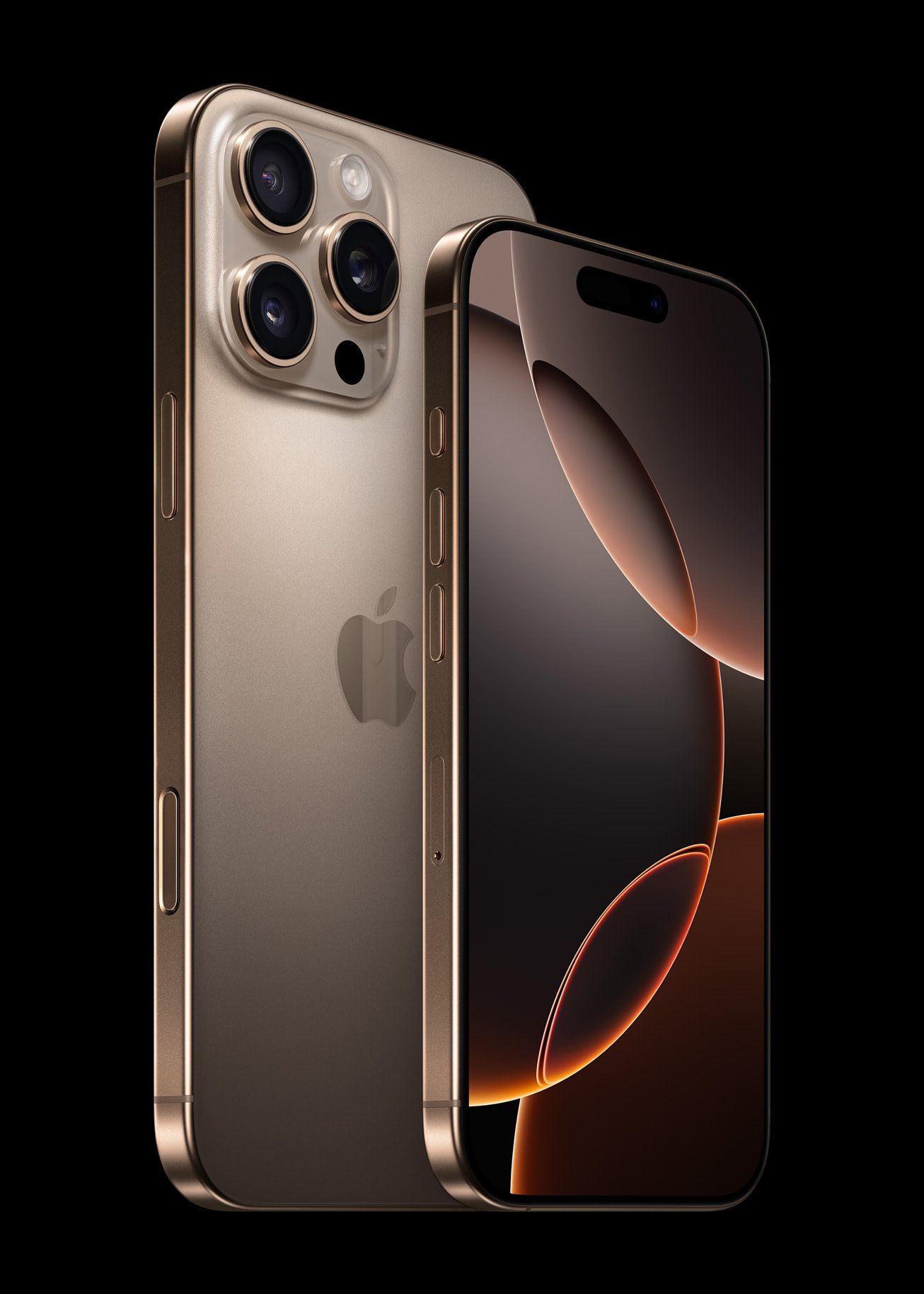
Apple made the iPhone 16 Pro’s screen 6.3 inches – up from 6.1 on the 15 Pro – and that single change resolves the one legitimate complaint the previous generation attracted: the Pro was too small for comfortable reading, and the Pro Max was too heavy for one-handed use. At 199 grams, the 16 Pro sits between those two extremes. I tested the 128GB Black Titanium model for five weeks. It starts at $999. Last updated: May 2026.
The important news up front: the camera system on the 16 Pro is identical to the Pro Max. Same 48MP main, same 5x telephoto, same 48MP ultrawide. The differences between the two are screen size, battery capacity, and weight. For most people, those differences make the Pro the better buy.
Verdict: 9/10. The iPhone 16 Pro packs every camera feature of the Pro Max into a body that is 28 grams lighter and $200 cheaper. The battery is smaller – expect around 10 to 11 hours of mixed use rather than 12 to 14 – but the performance and camera parity make this the stronger all-round value in the 16 Pro lineup. Three things to know: the Camera Control button still needs software polish; the 20W box charger is slow; 128GB fills up fast if you shoot ProRAW.
Design
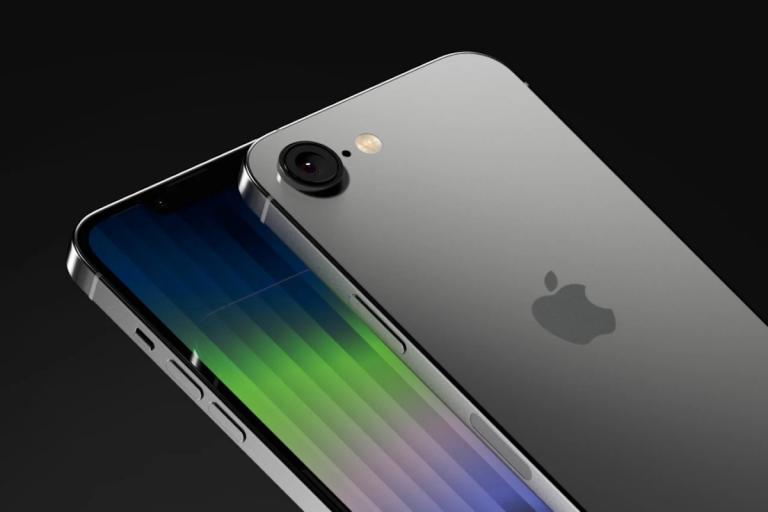
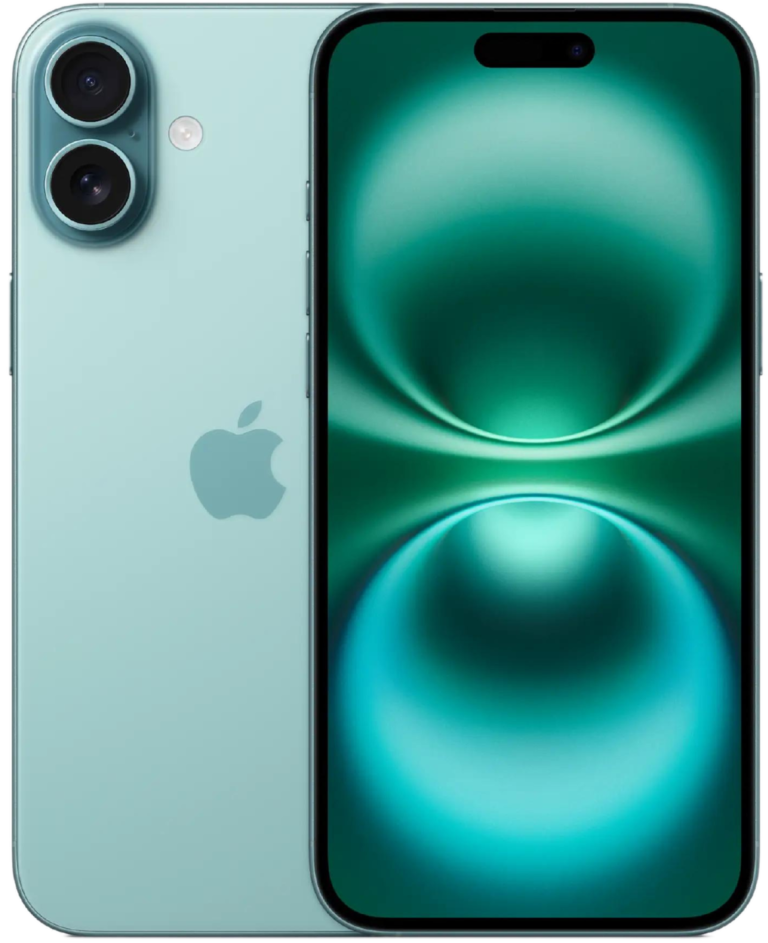
The 16 Pro is 149.6 x 71.5 x 8.25mm and weighs 199 grams. The Grade 5 titanium frame is the same construction as the Pro Max. The textured matte glass back handles daily fingerprints without needing a cloth wipe every few hours. Four colour options: Black Titanium, White Titanium, Natural Titanium, and Desert Titanium, all identical to the Pro Max palette.
The Camera Control button sits on the right edge below the power button. It is a capacitive swiping surface that controls zoom, exposure, and other camera parameters in the camera app. After five weeks of use, I found it most reliable as a dedicated shutter release – that single function works without fail. The gesture-based controls require precise pressure that the button does not always register on the first attempt.
The USB-C port supports USB 3 speeds (10Gbps), the same as the Pro Max. If you are not a video professional transferring ProRes files, this speed difference vs the standard iPhone 16’s USB 2 port will not affect your daily use.
Specs at a Glance
Spec
Detail
Display
6.3-inch Super Retina XDR OLED, 120Hz ProMotion, Always-On
Processor
Apple A18 Pro (3nm)
RAM
8GB
Storage options
128GB, 256GB, 512GB, 1TB
Main camera
48MP, f/1.78, OIS
Ultrawide
48MP, f/2.2
Telephoto
12MP, 5x optical, f/2.8
Front camera
12MP TrueDepth, f/1.9
Battery
~3,582mAh, 27W wired, 25W MagSafe
OS at launch
iOS 18
Dimensions
149.6 x 71.5 x 8.25mm
Weight
199g
Starting price
$999 (128GB)
Release date
September 2024
Display
The 6.3-inch ProMotion OLED is the same panel technology as the Pro Max – 2,622 x 1,206 resolution, up to 2,000 nits peak brightness, Always-On at 1Hz refresh. The extra 0.2 inches compared to the iPhone 15 Pro translates to a noticeably more comfortable reading experience and slightly more screen real estate in landscape video. In bright sunlight the display remains readable in conditions where most Android phones below this price tier require shade.
The Dynamic Island handles the Face ID camera and TrueDepth sensors and doubles as a live notification area for timers, navigation, and media playback. After three years across iPhone 14 Pro, 15 Pro, and now the 16 Pro, the Dynamic Island has matured into something that feels natural rather than a design workaround.
Performance
The A18 Pro is identical to the chip in the Pro Max. Geekbench 6 multi-core scores land around 8,500. Thermal management differs slightly given the smaller body – under extreme sustained load (30 minutes of GPU gaming at maximum settings), the 16 Pro ran slightly warmer than the Pro Max in back-to-back testing, though it stayed within comfortable handling range and did not throttle frame rates noticeably.
All Apple Intelligence features work identically on the 16 Pro and Pro Max. The Neural Engine handles on-device processing for Writing Tools, Priority Notifications, and the improved Siri. App switching is instant. Split-screen and Stage Manager work without hesitation under multitasking pressure.
Camera
The camera system is the main reason to recommend the 16 Pro over the standard iPhone 16: the 5x telephoto. The standard iPhone 16 uses a 2x optical-quality zoom derived from the main sensor. The 16 Pro’s dedicated 5x telephoto module produces sharper results at distance and handles low light at zoom far better than digital crop.
In practice over five weeks: the 5x was the most-used camera mode after the main lens. Event photography, wildlife shots, candid portraits across a room – the telephoto handled all of it without asking for manual intervention. Apple’s computational zoom to 10x is clean enough to use without feeling like a compromise.
The 48MP ultrawide captures macro shots automatically when you move within 2cm of a subject. This hands-free macro activation makes close-up photography accessible without switching modes. Video tops out at 4K 120fps in Dolby Vision, with Log encoding available for post-production colour work. Front camera: 12MP, 4K at 60fps, Cinematic mode at 4K 30fps.
Software
iOS 18 shipped with the 16 Pro and has since received three point updates that improved Apple Intelligence feature stability and added the Image Wand feature in Notes. The operating system update commitment runs through at least 2030. No carrier bloatware on any US unlocked model. Pre-installed Apple apps can now be deleted, including Stocks and Tips, which most users never open.
The customisable Control Center is the most practically useful new software feature of iOS 18 for daily use. Being able to put AirDrop, torch, camera, and notes on the same page and remove unused controls reduces friction in daily use. The Action button, set to the torch by default, can be remapped to any shortcut, app, or Focus mode.
Battery
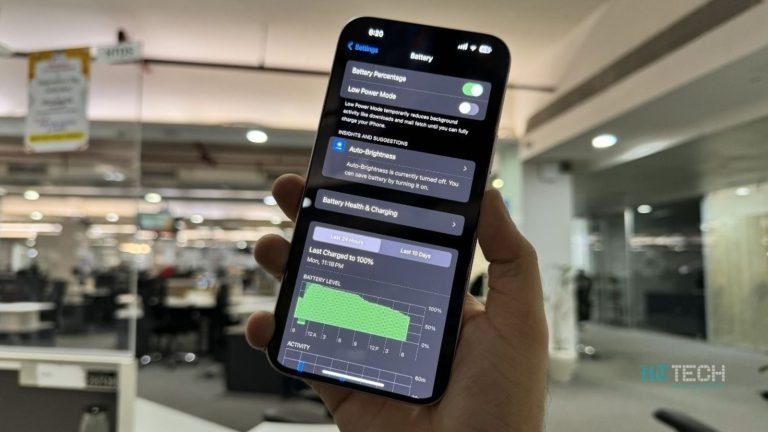
The 16 Pro’s battery is smaller than the Pro Max – roughly 3,582mAh versus 4,685mAh. In daily mixed use (2.5 hours screen-on for email and social, 45 minutes navigation, 30 minutes of camera), it reliably cleared 10 hours before reaching 20% charge. On heavier days including extended video recording or gaming, 8 to 9 hours was typical. Light use days – meetings, occasional browsing – stretched to 12 hours. Charging from 0% to 80% took 36 minutes with a 30W charger (not included in box).
Audio
Stereo speakers – one bottom-firing, one earpiece – produce clear audio at mid-range volumes. Maximum volume is loud enough for outdoor listening in a quiet environment; in a room with ambient noise, you will want external speakers or headphones. No headphone jack; USB-C audio requires an adapter. Spatial audio via Bluetooth on AirPods is responsive and the head tracking works without lag in testing.
Connectivity
5G (sub-6GHz and mmWave in US), Wi-Fi 7, Bluetooth 5.3, NFC, Ultra Wideband, Thread. Emergency SOS via satellite. The Wi-Fi 7 support is the most future-proof specification addition – as Wi-Fi 7 routers become mainstream through 2026 and 2027, this phone will not need replacing to access the speed improvements.
Price and Value
$999 for 128GB, $1,099 for 256GB, $1,299 for 512GB, $1,499 for 1TB. The 256GB tier at $1,099 is the sweet spot for anyone who shoots photos and videos regularly; 128GB fills up within a few months for active camera users. Compared to the Pro Max at $1,199, the $200 saving buys you the same camera, same processor, and a more comfortable handling weight, at the cost of battery capacity and screen size.
Pros and Cons
Pros
Same A18 Pro chip and camera system as the Pro Max
199g is meaningfully lighter than the 227g Pro Max
6.3-inch screen is the right size between the old 6.1 Pro and the unwieldy Pro Max
USB 3 speeds via USB-C
5x telephoto covers telephoto use cases that the standard iPhone 16 cannot
Cons
Battery delivers 10 to 11 hours, not the 12 to 14 of the Pro Max
Camera Control button is not finished in software
128GB base storage fills up faster than you expect
20W box charger is slow; buy a 30W third-party charger separately
Who It Is For
The 16 Pro is the right choice for anyone who wants the full iPhone Pro camera system without the size and weight of the Pro Max. If your day involves a lot of one-handed phone use, the 199g and 6.3-inch dimensions will feel significantly more comfortable over a long day than the Pro Max. It is also the better option if $200 matters more than extra battery time.
Choose the Pro Max instead if you stream video for more than an hour a day, use navigation frequently, or find yourself charging mid-day with current phones. The battery difference between the two models is real and worth the size trade-off for heavy users.
Alternatives at This Price
Samsung Galaxy S25+ ($999): Snapdragon 8 Elite, 6.7-inch display, 7 years of updates. A genuine alternative for anyone open to Android. The S25+ is lighter than the 16 Pro at 190g and has a larger screen.
Google Pixel 9 Pro ($999): Google’s computational photography processing is strong, 7-year update commitment, and the Pixel has the same starting price. Choose it over the 16 Pro if AI photo editing tools and a clean Android experience matter more than Apple ecosystem.
Frequently Asked Questions
Is the iPhone 16 Pro worth upgrading from the 15 Pro? Yes, if camera performance and the 5x telephoto are priorities. The 15 Pro had a 3x telephoto. The jump to 5x is the most meaningful single-year camera upgrade in recent iPhone history.
Does the iPhone 16 Pro work with all MagSafe accessories? Yes. MagSafe at 25W wireless charging and Qi2 at 15W are both supported. All MagSafe cases, wallets, and chargers work.
How long will Apple support the iPhone 16 Pro? Apple’s track record is 5 to 6 years of major iOS updates. The iPhone 16 Pro will receive iOS updates through approximately 2030 to 2031.
The iPhone 15 brought USB-C, a 48MP main camera, and Dynamic Island to the standard lineup. In 2026 at $699, it is one of the best-value iPhones you can buy.
The iPhone 16 Plus offers the best battery life in the non-Pro lineup and a 6.7-inch screen at $899. It is a narrow recommendation for a specific type of buyer.
The iPhone 16 Pro Max delivers Apple’s best camera system yet, a 5x telephoto that earns its keep, and battery life that comfortably crosses 12 hours of mixed use.