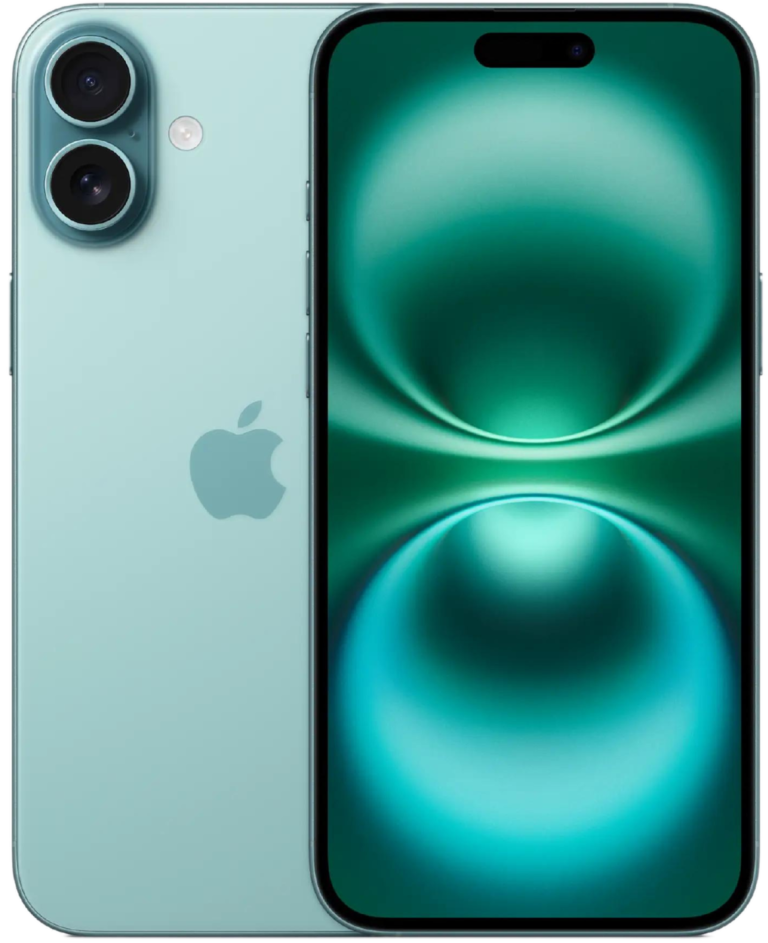
The iPhone 14 Pro arrived in September 2022 with three features Apple had not put on an iPhone before: the Dynamic Island, an Always-On Display, and a 48MP main camera. Three and a half years later, all three have held up better than most debut features do. Available used for $499 to $649 in 2026, the 14 Pro is worth considering for anyone who wants a capable camera phone without paying current Pro prices. Last updated: May 2026.
Verdict: 8/10 at launch, 6.5/10 in 2026. The iPhone 14 Pro introduced features that defined the direction of three subsequent iPhone generations. Its 48MP camera, Always-On Display, and Dynamic Island remain functional and useful. Three things to know in 2026: the Lightning port is now the main practical inconvenience as you accumulate USB-C devices; no Apple Intelligence; and battery life at three and a half years old may require checking the Battery Health before purchasing used.
Design
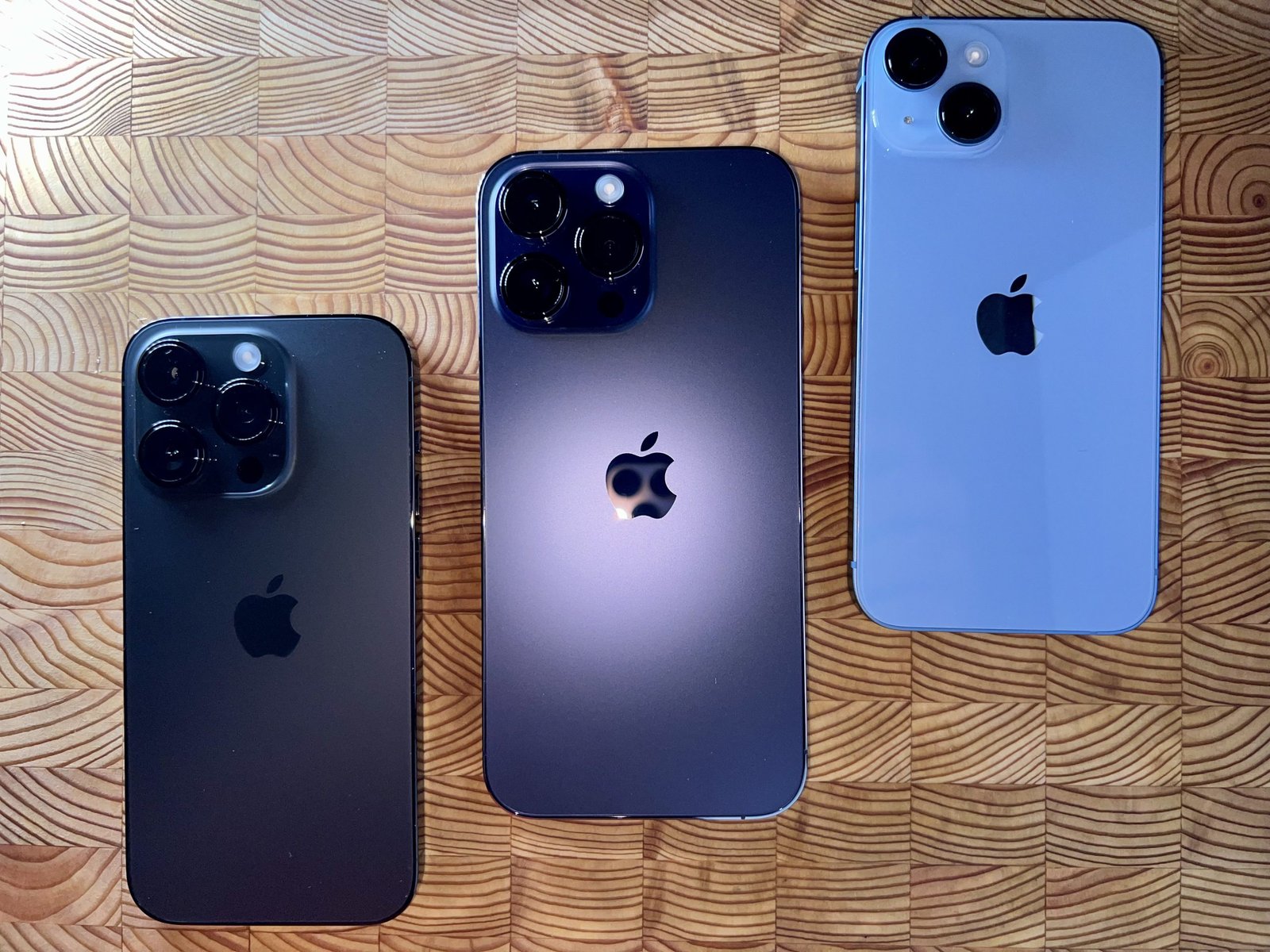
The iPhone 14 Pro is 147.5 x 71.5 x 7.85mm and weighs 206 grams. The stainless steel frame – the last Pro model to use stainless steel before titanium replaced it in the 15 Pro – is polished and heavier than the titanium on current models. Four original colours: Deep Purple, Gold, Silver, and Space Black. The stainless steel frame shows fingerprints and light scratches more visibly than titanium. The back is matte glass, consistent across all Pro models since the iPhone 12 Pro.
The Dynamic Island replaced the notch for the first time on any iPhone. The pill-shaped cutout houses the Face ID array and TrueDepth camera and expands to show live activity notifications, timers, and music playback. At three and a half years of use, the Dynamic Island is a settled feature – apps have had time to integrate it properly, and it feels like the natural layout for the iPhone face rather than a design novelty.
Specs at a Glance
Spec
Detail
Display
6.1-inch Super Retina XDR OLED, 120Hz ProMotion, Always-On
Processor
Apple A16 Bionic (4nm)
RAM
6GB
Storage options
128GB, 256GB, 512GB, 1TB
Main camera
48MP, f/1.78, OIS
Ultrawide
12MP, f/2.2, macro
Telephoto
12MP, 3x optical, f/2.8
Front camera
12MP TrueDepth, f/1.9
Battery
~3,200mAh, 27W wired, 15W MagSafe
OS at launch
iOS 16
Port
Lightning
Dimensions
147.5 x 71.5 x 7.85mm
Weight
206g
Current price (used)
$499 to $649
Release date
September 2022
Display
The 6.1-inch ProMotion OLED with Always-On Display was the first standard-size iPhone with both features. The 120Hz ProMotion rate makes scrolling and animations noticeably smoother than the 60Hz standard models. Peak brightness at 2,000 nits matches current Pro models in HDR. The Always-On Display shows the time and a dimmed lock screen at roughly 1Hz refresh. Three and a half years in, the panel shows no burn-in in typical use patterns – the dynamic pixel shift and low refresh rate when idle protect the OLED from static-image retention.
Performance
The A16 Bionic is the same chip in the iPhone 15 (standard). Geekbench 6 multi-core averages around 5,600. Daily performance is smooth for all standard workloads. Heavy 3D gaming runs well. No Apple Intelligence – the A16 is excluded from Apple’s minimum requirements. The 14 Pro will receive iOS 19, giving it software support through approximately 2027 to 2028. At that point, expect two more major iOS updates before it drops off the support list.
Camera
The 14 Pro was the first iPhone with a 48MP main camera. The sensor is slightly older than the one in the iPhone 15, but produces photos that hold up in direct comparison with the 15 in good light. The telephoto is 3x optical zoom – a step behind the 5x telephoto introduced on the 15 Pro Max and carried forward to all 16 Pro models. For portraits and moderate zoom shots, the 3x telephoto is useful. For distant subjects, the 5x on the 15 Pro and 16 Pro lineup is a noticeable improvement.
Macro photography via the ultrawide works automatically when moving close to a subject. Video tops out at 4K 30fps in Cinematic mode, 4K 60fps on the main camera. ProRAW capture at 48MP is available and works with photo editing apps that support RAW files. Low-light performance from the main camera is good but noticeably behind the current generation in very dark conditions.
Software
Shipped with iOS 16, now on iOS 18, and will receive iOS 19. No Apple Intelligence. The Dynamic Island works with the full range of third-party apps that have integrated it since 2022. The Always-On Display supports custom lock screen widgets introduced in iOS 16. The Action button is not present on the 14 Pro – that arrived with the 15 Pro.
Battery
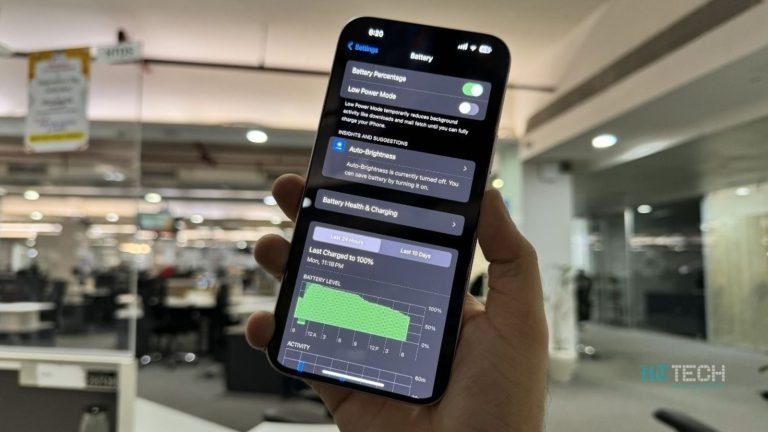
The 14 Pro shipped with approximately 3,200mAh. After three and a half years of typical use, units available used in 2026 will have Battery Health readings between 80% and 90%. A unit at 85% Battery Health delivers roughly 7 to 8 hours of mixed use versus the original 10 hours. Before buying used, ask the seller to show the Battery Health reading in Settings. Apple charges $99 to replace the battery out of warranty, which extends the phone’s useful life significantly.
Audio
Stereo speakers at a volume level similar to current Pro models. The key limitation in 2026: the Lightning port means you need a Lightning-to-3.5mm or Lightning-to-USB-C adapter for wired audio, and carrying a Lightning cable in a USB-C world is an increasing friction.
Connectivity
5G (sub-6GHz, mmWave in US), Wi-Fi 6, Bluetooth 5.3, NFC, UWB. Lightning port at USB 2 speeds. Emergency SOS via satellite. The Lightning port and Wi-Fi 6 (rather than 6E or 7) are the two specifications that date the phone most visibly in 2026.
Price and Value
Used and certified refurbished in the $499 to $649 range in 2026. At $549 for a 256GB unit in good condition, the 14 Pro is cheaper than a new iPhone 15 ($699) and brings ProMotion 120Hz, the 3x telephoto, and Always-On Display. The Lightning port is the main practical drawback for anyone who has already moved to USB-C accessories. A $99 battery replacement on a $549 purchase gives you a phone with a fresh battery for $648 – which compares well to the $699 iPhone 15.
Pros and Cons
Pros
ProMotion 120Hz and Always-On Display still functional and useful
48MP main camera performs well three years on
Dynamic Island with full third-party app integration
Affordable used pricing in 2026
Cons
Lightning port is now a practical inconvenience in a USB-C world
Battery Health likely reduced after three-plus years of use
No Apple Intelligence
3x telephoto is a step behind the 5x on current Pro models
Who It Is For
The iPhone 14 Pro at used prices is a good pick for buyers on a strict budget who want a Pro camera feature set (48MP, 3x telephoto, ProMotion, Always-On) without paying $699 or more. It makes the most sense for someone who is not heavily invested in USB-C accessories yet – the Lightning port remains functional, just inconvenient.
Alternatives
iPhone 15 ($699 new): USB-C, slightly newer camera, Dynamic Island, same A16 chip. Spend the extra and get a phone with years more practical longevity before the Lightning port becomes a real problem.
iPhone 15 Pro Max (refurbished, $849 to $999): 5x telephoto, titanium, USB-C. If camera is the priority and budget allows, the 15 Pro Max is the stronger choice.
Frequently Asked Questions
How long will Apple support the iPhone 14 Pro? Based on Apple’s update history, the iPhone 14 Pro should receive iOS 19 and likely iOS 20, giving it software support until approximately 2028.
Is the Lightning port a dealbreaker on the iPhone 14 Pro? It depends on your accessories. If you use USB-C cables for your laptop, iPad, and Android devices, carrying a separate Lightning cable is genuinely inconvenient. If you have Lightning accessories at home, the friction is minimal.
The iPhone 15 brought USB-C, a 48MP main camera, and Dynamic Island to the standard lineup. In 2026 at $699, it is one of the best-value iPhones you can buy.
The iPhone 16 Plus offers the best battery life in the non-Pro lineup and a 6.7-inch screen at $899. It is a narrow recommendation for a specific type of buyer.
The iPhone X launched at $999 in November 2017 and changed the iPhone’s face permanently. Eight years on, a look at what it got right and what the years have revealed.
The iPhone 15 Pro Max introduced titanium, USB-C, and the first 5x telephoto on any iPhone. Priced at $899 to $999 used in 2026, it remains a strong buy.