There was a moment in November 2017 when holding the iPhone X felt like holding a year’s worth of decisions by a company that had not changed its phone’s face in three years. No home button. A full front-face OLED screen. Face ID instead of Touch ID. A notch that Apple said you would forget was there. Eight years later, most of those decisions are correct. One of them – the notch – Apple itself quietly replaced in 2022. Last updated: May 2026.
The iPhone X is not a phone to buy in 2026. It stopped receiving iOS updates at iOS 16, it runs slowly on modern apps, and its 2,716mAh battery typically delivers 4 to 5 hours of mixed use after eight years of wear. This is a retrospective: what the iPhone X established, what held up, and what the years have revealed about the design choices Apple made at the time.
Historical verdict: 9/10. The iPhone X was the right phone at the right moment. It established the design language Apple used for seven subsequent iPhone generations. Three things it got permanently right: Face ID, the OLED display at this price tier, and the decision to remove the home button. One thing it got temporarily right: the notch, which served a purpose for five years before the Dynamic Island replaced it in 2022.
Design
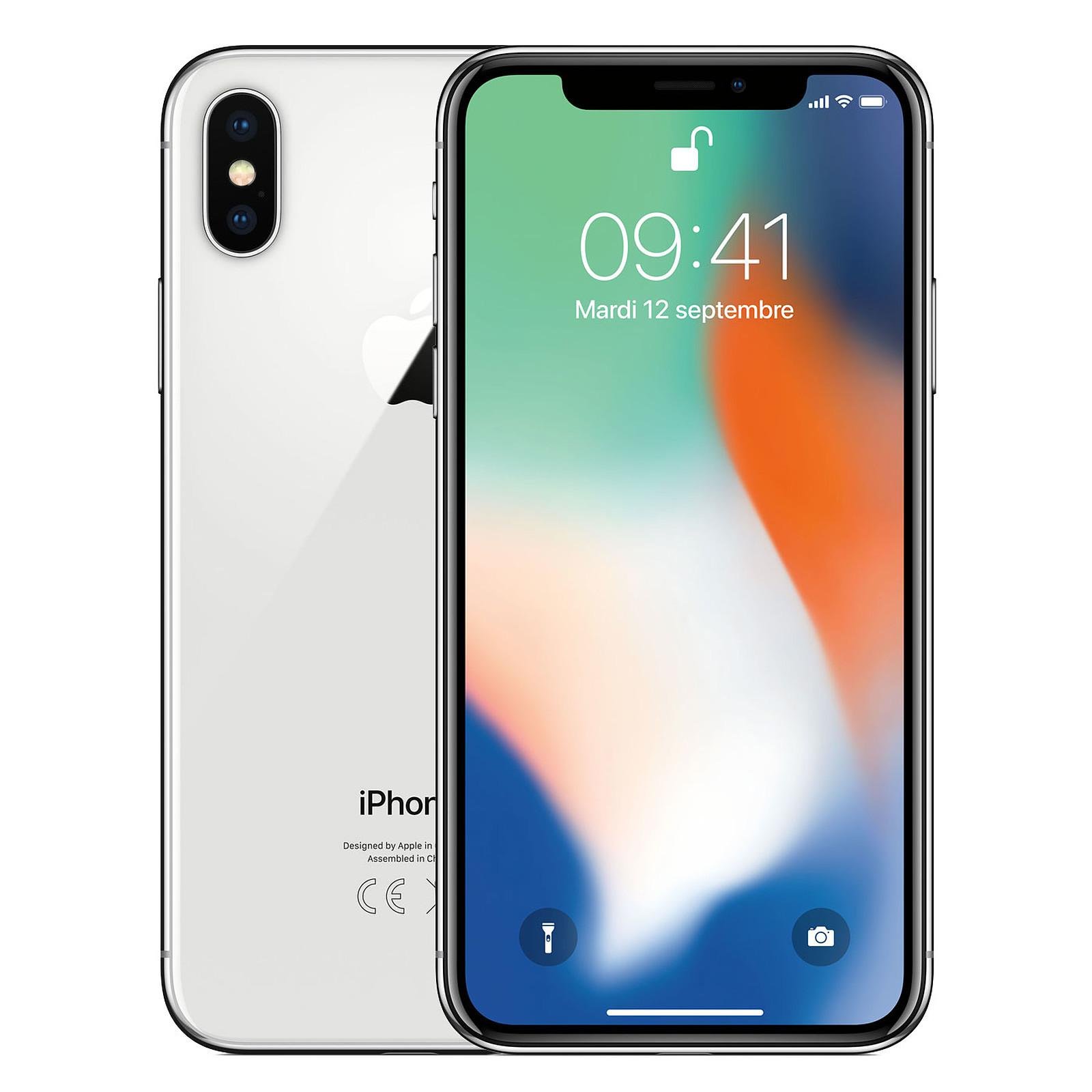
The iPhone X is 143.6 x 70.9 x 7.7mm and weighs 174 grams. Stainless steel frame with glass back – the first iPhone with a glass back since the iPhone 4S in 2011, introduced to enable wireless charging. The glass-and-steel construction felt premium in 2017 in a way the aluminium iPhones of the previous years did not. Space Gray and Silver were the two colour options. No home button. The removal of the button was Apple’s most discussed hardware decision since removing the headphone jack in 2016.
The notch at the top of the display housed the TrueDepth camera array: infrared camera, flood illuminator, proximity sensor, front camera, and ambient light sensor. Apple was right that most users would forget the notch was there within a week – the eye’s peripheral processing filters out static UI elements quickly. But it remained a design compromise, and the Dynamic Island that replaced it in 2022 is a more elegant solution that turns the cutout into a functional feature rather than hiding it.
Specs at a Glance
Spec
Detail
Display
5.8-inch Super Retina OLED, 60Hz, 2,436 x 1,125
Processor
Apple A11 Bionic (10nm)
RAM
3GB
Storage options
64GB, 256GB
Main camera
12MP, f/1.8, OIS
Telephoto
12MP, 2x optical, f/2.4
Front camera
7MP TrueDepth, f/2.2
Battery
2,716mAh (5 to 7 hours mixed use when new)
Port
Lightning
OS at launch
iOS 11
Final iOS version
iOS 16.7.x
Weight
174g
Launch price
$999 (64GB)
Release date
November 2017
Display
The 5.8-inch OLED was the first OLED panel on an iPhone, and it changed the expectation for what a phone display should look like. True blacks from individual pixel shutoff, contrast ratios that LCD could not match, and wider colour gamut than the LCD iPhones. At 458ppi, the pixel density was (and remains) higher than the current iPhone 16 Pro’s 460ppi. The panel runs at 60Hz – the only thing about it that did not set a standard that Apple later had to improve.
In 2026, the display is still good to look at. The colours hold, the blacks are deep, and the brightness – while lower than modern panels at 625 nits typical – is adequate indoors. Outdoor legibility in direct sunlight is poor by 2026 standards. Peak brightness of 625 nits is less than a third of what the current Pro models offer.
Performance
The A11 Bionic was Apple’s first in-house designed GPU and the first chip to integrate a Neural Engine – a dedicated machine learning processor. At the time, this was industry-leading. In 2026, the A11 is eight years old. Geekbench 6 multi-core scores around 1,800. Modern apps that were not designed for this chip run slowly. The phone is stuck on iOS 16.7.x – current apps that require iOS 17 or 18 will not install. The Safari browser can still load modern websites, but complex web apps are slow.
Camera
The dual 12MP camera system – f/1.8 main and f/2.4 2x telephoto – was good in 2017 and is mediocre in 2026. Portrait Mode, introduced here, used the dual cameras to estimate depth and apply background blur – a feature that has since become standard on most $300 phones. In daylight, photos from the iPhone X hold up reasonably in social media contexts. In low light, the 2017 sensor and processing pipeline fall noticeably short of anything built after 2020. Video topped out at 4K 60fps on the rear camera, which was class-leading in 2017 and is now standard across all price tiers.
Face ID: The Enduring Legacy
Face ID is the iPhone X’s most durable contribution to smartphone design. At launch it was controversial – reviewers worried it would not work in dark conditions, with sunglasses, or when the phone was flat on a desk. Eight years of use across hundreds of millions of iPhones has settled those questions. It works in the dark (infrared). It works with sunglasses if not polarised. It does not work with the phone flat – you tilt it toward you, a habit acquired in days. The unlocking speed on the first-generation implementation is slower than the current Face ID in the iPhone 16 Pro, but the fundamentals were right from the start.
Software
The iPhone X’s final iOS version is iOS 16.7.x. It will not receive iOS 17 or 18 feature updates. Security patches arrived in the 16.7.x branch through 2024. In 2026, running iOS 16.7.x means an increasing number of apps either do not install or display warnings about incompatible software versions. The phone is functional for basic tasks – calls, messages, email, light web browsing – but not for any app that requires a current iOS version.
Battery
The original 2,716mAh battery, after eight years of charging cycles in typical use, delivers 4 to 5 hours of mixed screen-on time. A replacement battery from Apple or a third-party repair shop restores it to near-original capacity – approximately 6 to 7 hours – but the phone’s software limitations make the investment hard to justify. The battery is replaceable if the phone has sentimental or collector value.
Audio
Stereo speakers – the first iPhone with stereo from both earpiece and bottom-firing speaker. No headphone jack (removed in iPhone 7, a year earlier). Lightning port. The audio quality holds up for calls and casual media; the volume ceiling is lower than any current iPhone model.
Connectivity
LTE (no 5G – 5G iPhone arrived with the iPhone 12 in 2020). Wi-Fi 802.11ac (Wi-Fi 5). Bluetooth 5.0. NFC. No Ultra Wideband. No satellite. In 2026, the lack of 5G is not a practical limitation for voice calls and light data use, but in areas where LTE is being scaled back in favour of 5G infrastructure, connectivity can be inconsistent.
What the iPhone X Got Right for the Long Term
Face ID authentication replaced a fingerprint button and became the standard for the iPhone’s entire premium range, persisting through eight subsequent iPhone generations with only incremental hardware improvements. The OLED display established colour accuracy and contrast expectations that LCD could not meet and that every premium phone now uses. Removing the home button forced a navigation paradigm based on swipes – a change that felt disorienting at launch and is now second nature to anyone who has used a modern smartphone. The stainless steel and glass construction became the Pro design language through the iPhone 14.
What the iPhone X got temporarily right: the notch. It was the right solution for 2017 given the sensor array’s size. Apple’s own replacement of it with the Dynamic Island in 2022 shows that the notch was a stopgap. The Dynamic Island is a better design. The notch’s five-year run was successful but not a long-term answer.
Should You Buy an iPhone X in 2026?
No. The software ceiling at iOS 16, the degraded battery, and the increasing incompatibility with modern apps make the iPhone X a poor choice for a daily phone in 2026. Used units sell for $80 to $150. At those prices, a used iPhone 13 ($250 to $350) offers iOS 18, Apple Intelligence eligibility proximity, and functional battery for twice the price – a much better allocation of budget.
The iPhone X’s place is in tech history, not in your pocket. Its design decisions shaped the smartphone industry. That is a more meaningful legacy than daily usability in 2026.
Frequently Asked Questions
What iOS does the iPhone X run? The iPhone X’s final compatible iOS version is iOS 16.7.x. It will not receive iOS 17, 18, or 19 updates.
Is the iPhone X still usable in 2026? For basic functions – calls, SMS, email, light web browsing – yes. For apps that require iOS 17 or 18, or for reliable performance on modern apps, no.
What did the iPhone X change about the iPhone design? It introduced Face ID, OLED display, glass back for wireless charging, and removed the home button – four changes that became permanent across the entire iPhone lineup by 2022.
The iPhone 15 Pro Max introduced titanium, USB-C, and the first 5x telephoto on any iPhone. Priced at $899 to $999 used in 2026, it remains a strong buy.
The iPhone 16 Plus offers the best battery life in the non-Pro lineup and a 6.7-inch screen at $899. It is a narrow recommendation for a specific type of buyer.