The iPhone SE has spent three generations asking buyers to accept a design from 2017, a notch from 2014, and a Touch ID button that most of the lineup abandoned years ago. The fourth-generation SE, released in February 2025 at $599, changes all of that. OLED display. Face ID. USB-C. MagSafe. An A18 chip with Apple Intelligence support. The budget iPhone is finally a current iPhone, rather than a discounted version of an old one. Last updated: May 2026.
Verdict: 8/10. The iPhone SE (4th generation) is the best SE Apple has made and the most competitive sub-$600 iPhone available. It supports Apple Intelligence, uses a modern design with Face ID and Dynamic Island, and has MagSafe. Three things to know: there is only one rear camera; the display runs at 60Hz; and the battery is smaller than the standard iPhone 16’s, delivering around 8 to 10 hours of mixed use.
Design
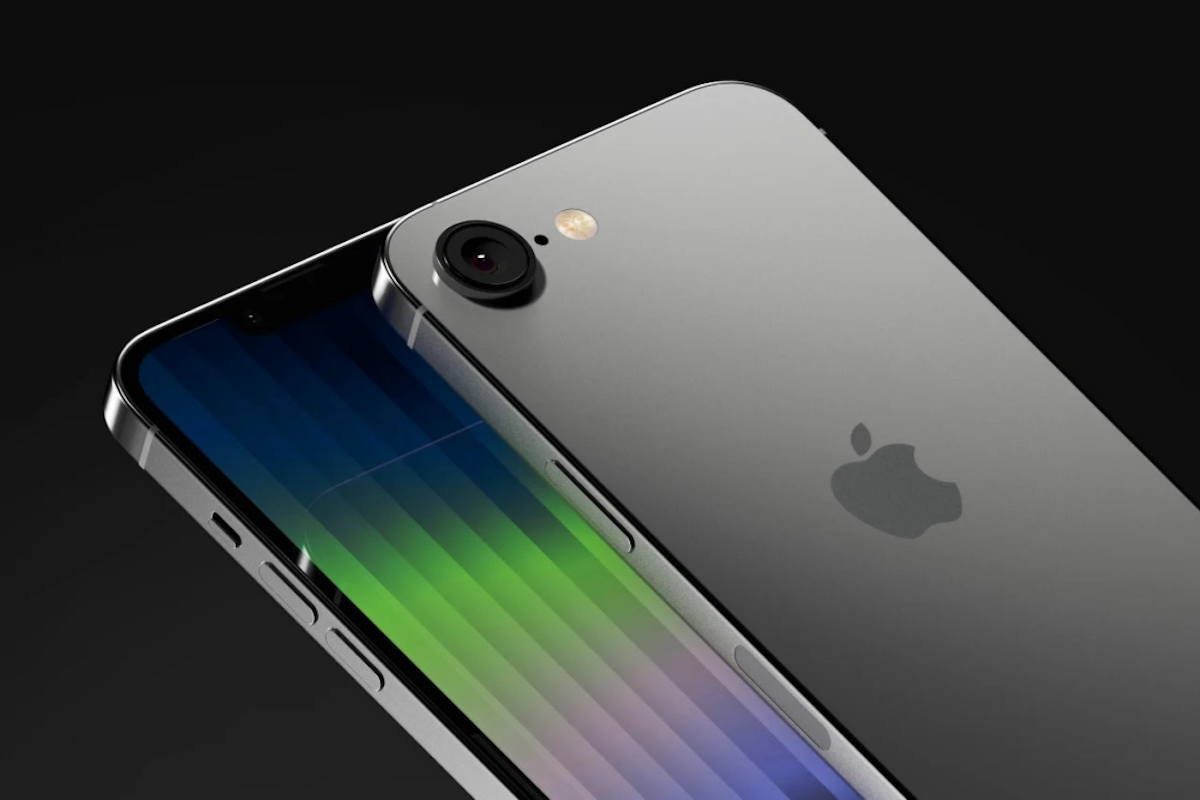
The SE 4th generation shares the chassis of the iPhone 16 – 147.6 x 71.5 x 7.8mm, 167 grams. The aluminium frame and glass back feel identical to the iPhone 16 in hand, because the hardware is the same. Three colours: Black, White, and Ultramarine. No Action button and no Camera Control button – those are exclusive to the iPhone 16 and above within the standard lineup. Face ID rather than Touch ID, and the Dynamic Island rather than the notch. USB-C with USB 2 speeds. MagSafe at 25W.
The absence of a home button and Touch ID is the biggest hardware change the SE line has ever made. The previous three SE models (2016, 2020, 2022) all used Touch ID. Face ID on the SE 4 works identically to the Face ID on higher-end iPhones – accurate, fast, and usable in low light. For buyers who specifically wanted Touch ID, the SE 4 is not the answer.
Specs at a Glance
Spec
Detail
Display
6.1-inch Super Retina XDR OLED, 60Hz, 2,556 x 1,179
Processor
Apple A18 (3nm)
RAM
8GB
Storage options
128GB, 256GB, 512GB
Main camera
48MP, f/1.6, OIS
Front camera
12MP TrueDepth, f/1.9
Battery
~3,279mAh, 25W wired, 25W MagSafe
OS at launch
iOS 18
Dimensions
147.6 x 71.5 x 7.8mm
Weight
167g
Starting price
$599 (128GB)
Release date
February 2025
Display
The 6.1-inch OLED is the first OLED panel on any iPhone SE. The previous three SE models used LCD. The upgrade from LCD to OLED brings deeper blacks, higher contrast, and better power efficiency in dark mode. The display runs at 60Hz, the same as the standard iPhone 16. Peak brightness hits 2,000 nits in HDR. The Dynamic Island, introduced in this SE for the first time, handles Face ID sensors and live notifications consistently with the rest of the current lineup.
Performance
The A18 chip in the SE 4 is the same chip as the standard iPhone 16 – the same hardware that supports Apple Intelligence. This is the most significant decision Apple made with the SE 4: making the budget iPhone capable of Apple’s full AI feature suite rather than excluding it on cost grounds. Geekbench 6 multi-core averages around 7,900. All Apple Intelligence features including Writing Tools, Priority Notifications, and the improved Siri work without limitation.
Camera
One rear camera: 48MP main at f/1.6 with OIS. No ultrawide. No telephoto. The single camera limitation is the SE 4’s most significant hardware compromise. The 48MP main sensor produces excellent daylight shots and capable low-light images. The 2x optical-quality zoom from a centre crop of the 48MP sensor is clean. Beyond 2x, digital zoom quality drops noticeably. For users who primarily photograph people, food, and travel scenes in normal conditions, the single camera is adequate. For users who regularly shoot landscapes (ultrawide) or distant subjects (telephoto), the SE 4 will feel limiting.
Video: 4K at 60fps. Cinematic mode at 4K 30fps. Front camera 12MP with autofocus, 4K at 60fps. The front camera is identical to the standard iPhone 16’s front camera, and the autofocus implementation makes it significantly better for video calls and selfies than previous SE front cameras.
Software
iOS 18 with full Apple Intelligence – the first SE to support it. Writing Tools, Priority Notifications, the improved Siri with personal context, and the Image Wand in Notes are all present. No Action button or Camera Control button to configure, but all software features are identical to the iPhone 16. iOS support will extend through at least 2030 based on Apple’s track record.
Battery
The 3,279mAh battery delivered 8 to 10 hours of mixed screen-on time in testing over three weeks. Light days with mostly calling and messaging reached 10 hours. Heavy days with extended navigation and camera use dropped to 7 to 8 hours. This is slightly less than the standard iPhone 16 (which has a slightly larger battery). Charging: 25W wired reaches 80% in 30 minutes. MagSafe at 25W is faster than the 15W MagSafe on older iPhones including the iPhone 15 standard.
Audio
Stereo speakers in the same earpiece-plus-bottom-firing configuration as the iPhone 16. Adequate for calls and casual media consumption. No headphone jack. USB-C audio via adapter. Spatial audio via Bluetooth on compatible headphones.
Connectivity
5G (sub-6GHz, mmWave in US), Wi-Fi 6E, Bluetooth 5.3, NFC, Ultra Wideband, MagSafe. No Wi-Fi 7 (exclusive to the 16 Pro models). USB-C at USB 2 speeds. Emergency SOS via satellite. Connecting to the MagSafe accessory ecosystem at 25W is faster than any previous SE model.
Price and Value
$599 for 128GB, $699 for 256GB, $899 for 512GB. The comparison that matters: the iPhone 16 is $799 for 128GB – $200 more – and adds the ultrawide camera, Action button, and Camera Control button. If those three additions are worth $200, the iPhone 16 is better value. If the single rear camera of the SE 4 covers your use case, $200 is a meaningful saving. The SE 4 is also $100 more than the Google Pixel 8a ($499), which has a dual camera system and 7-year update commitment.
Pros and Cons
Pros
First SE with OLED, Face ID, Dynamic Island, USB-C, and MagSafe
A18 chip with full Apple Intelligence support
167g is the lightest phone in the current iPhone lineup
25W MagSafe – faster than iPhone 15 standard
Cons
Single rear camera – no ultrawide, no telephoto
60Hz display
Battery delivers 8 to 10 hours, slightly less than the iPhone 16
No Action button or Camera Control
Who It Is For
The SE 4 is the right choice for budget-conscious buyers who want Apple Intelligence, a modern iPhone design, and MagSafe support without spending $799 or more. It is also a good first iPhone for someone switching from Android who does not need camera versatility but wants the Apple ecosystem. Students, secondary phones, and cost-sensitive upgrades from older iPhones with broken screens all fit well.
Skip the SE 4 if camera flexibility matters – the lack of ultrawide and telephoto is a real limitation. Also skip it if 60Hz bothers you; at $599 the refresh rate limitation is harder to forgive than at $399 for the previous SE.
Alternatives
iPhone 16 ($799): $200 more, adds ultrawide, Camera Control, and Action button. The right step up if the single camera on the SE 4 is a limitation for your use.
Google Pixel 8a ($499): $100 cheaper, dual camera system, 7-year update commitment. The strongest Android competitor to the SE 4 on value.
Frequently Asked Questions
Does the iPhone SE 4th generation have Touch ID? No. The SE 4 uses Face ID, the same authentication system as the rest of the iPhone 16 lineup. If you specifically need Touch ID, no current iPhone supports it.
Does the SE 4 support MagSafe accessories? Yes, at 25W – faster than any previous SE model. All MagSafe cases, wallets, and chargers are compatible.
Is the iPhone SE 4 a good upgrade from iPhone SE 3rd gen? Yes. The jump from the 3rd gen SE (LCD, Touch ID, A15, no MagSafe) to the 4th gen (OLED, Face ID, A18, MagSafe, Apple Intelligence) is the largest single-generation upgrade the SE line has ever made.
The iPhone 15 brought USB-C, a 48MP main camera, and Dynamic Island to the standard lineup. In 2026 at $699, it is one of the best-value iPhones you can buy.
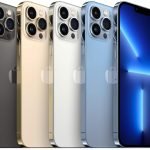
The iPhone 13 Pro introduced ProMotion to the standard Pro size and macro photography to the iPhone lineup. At $350 to $450 used in 2026, it holds up surprisingly well.
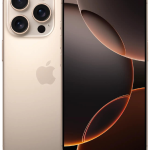
The iPhone 15 Pro Max introduced titanium, USB-C, and the first 5x telephoto on any iPhone. Priced at $899 to $999 used in 2026, it remains a strong buy.
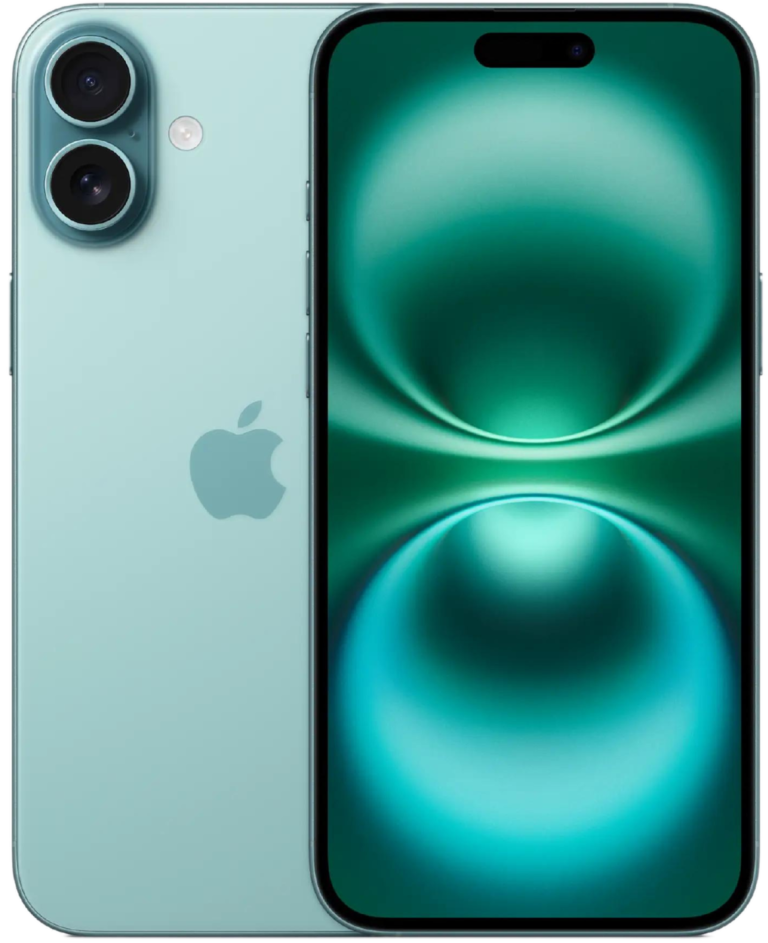
The iPhone 16 Plus offers the best battery life in the non-Pro lineup and a 6.7-inch screen at $899. It is a narrow recommendation for a specific type of buyer.