Four years into its life, the iPhone 13 Pro is doing something impressive: it still runs iOS 18 smoothly, its cameras remain competitive with mid-range phones sold new in 2026, and it costs $350 to $450 used. Released in September 2021, it was the first standard-size Pro iPhone to get ProMotion 120Hz display and the first iPhone to get a macro camera. Both features hold up. Last updated: May 2026.
Verdict: 7/10 in 2026. The 13 Pro earns its place as a value used purchase for buyers who want ProMotion, a triple camera with telephoto, and solid iOS 18 performance without spending $600 or more. Three things to know: it will receive iOS 19 (and likely nothing after that); it has Lightning, not USB-C; and the battery, four years in, will need checking before purchase.
Design
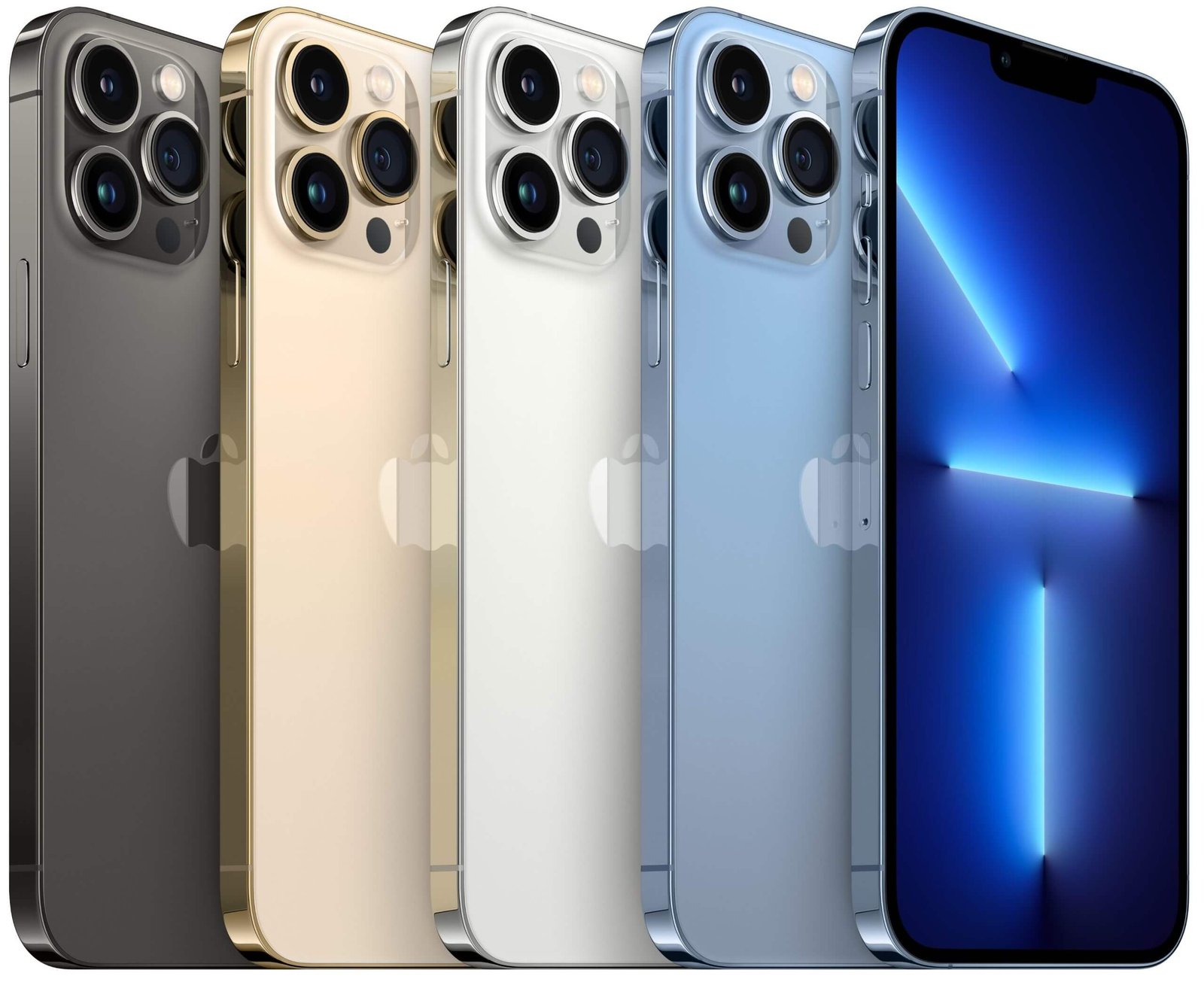
The iPhone 13 Pro is 146.7 x 71.5 x 7.65mm and weighs 204 grams. The stainless steel frame and matte glass back in Sierra Blue, Graphite, Gold, and Silver. The notch is present – the Dynamic Island did not arrive until the 14 Pro a year later. The camera bump is large for a 2021 phone but smaller than what you find on current models. Lightning port, Touch ID embedded in a side button – wait, no, the 13 Pro uses Face ID. The side button is power only; Face ID is in the notch.
Specs at a Glance
Spec
Detail
Display
6.1-inch Super Retina XDR OLED, 120Hz ProMotion
Processor
Apple A15 Bionic (5nm)
RAM
6GB
Storage options
128GB, 256GB, 512GB, 1TB
Main camera
12MP, f/1.5, OIS, sensor-shift
Ultrawide
12MP, f/1.8, macro
Telephoto
12MP, 3x optical, f/2.8
Front camera
12MP TrueDepth, f/2.2
Battery
~3,095mAh, 23W wired, 15W MagSafe
Port
Lightning
OS at launch
iOS 15
Weight
204g
Current price (used)
$350 to $450
Release date
September 2021
Display
ProMotion 120Hz OLED on the standard-size Pro was new in 2021. In 2026, it is still a better display than the 60Hz screens on the current iPhone 15 and standard iPhone 16. Scrolling and animations feel noticeably smoother. Peak brightness is 1,200 nits – lower than the current generation’s 2,000 nits, which means direct sunlight readability is weaker than a current Pro. In practice, it is readable outdoors under most conditions short of direct afternoon sun on a bright day.
Performance
The A15 Bionic, after four years, still handles everyday tasks without slowdown. Geekbench 6 multi-core averages around 4,800 – ahead of many Android mid-range chips. Heavy 3D gaming at maximum settings shows frame drops that would not occur on current Pro models, but for most games at medium-high settings, performance holds. The 13 Pro will receive iOS 19 – Apple’s support track record for Pro models suggests that will be the final major update. No Apple Intelligence.
Camera
The 12MP main sensor uses sensor-shift OIS at f/1.5, the widest aperture Apple had offered on an iPhone up to that point. Daylight photos remain sharp and well-exposed. Low-light results are behind the current generation but ahead of most 2026 Android mid-range phones. The 3x telephoto provides a dedicated zoom lens – useful for portraits and moderate distance photography. The ultrawide at f/1.8 doubles as the macro camera; move within 2cm of a subject and macro mode activates automatically. This was the first iPhone macro camera.
Video tops out at 4K 60fps on all three cameras. Cinematic mode was introduced on this model, though it renders at 1080p 30fps rather than the 4K of current models. ProRAW capture works with a 12MP raw file. For a four-year-old phone, the camera system is genuinely competitive with new Android phones in the $400 to $500 range.
Software
The 13 Pro runs iOS 18 and will receive iOS 19. After that, expect no further major updates. iOS 18 is a stable, full-featured operating system – the phone is not running on a compromised version. Standby mode, the customisable lock screen, and the full suite of iOS 18 features except Apple Intelligence are available.
Battery
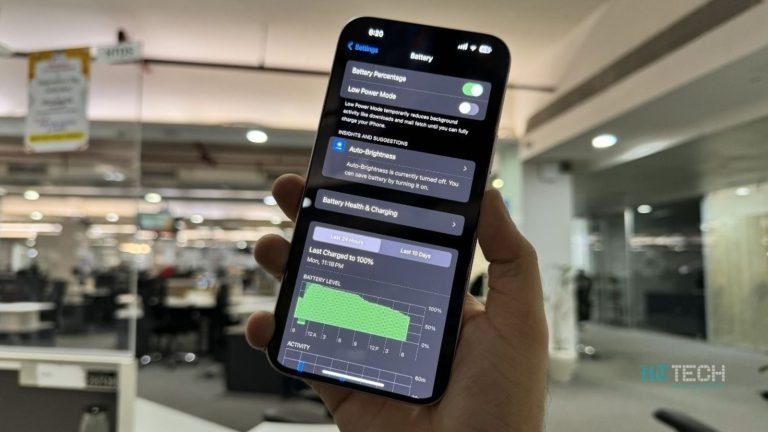
The 13 Pro shipped with approximately 3,095mAh. Four-year-old units will show Battery Health readings of 80% to 88% in typical use. At 85% capacity, the phone delivers around 7 to 8 hours of mixed use from a charge. A $99 battery replacement brings it back to near-original capacity. Check Battery Health in Settings before purchasing used.
Audio
Stereo speakers. Lightning port for charging and audio. In 2026, carrying a Lightning cable alongside USB-C chargers for everything else is the main practical friction. No headphone jack.
Connectivity
5G (sub-6GHz, mmWave in US), Wi-Fi 6, Bluetooth 5.0, NFC, UWB. Lightning port at USB 2 speeds. No MagSafe at 25W – limited to 15W on this model. No Emergency SOS via satellite (introduced on iPhone 14).
Price and Value
$350 to $450 used in 2026 depending on storage and condition. At $375 for 128GB with 85% Battery Health, the 13 Pro costs $225 less than a new iPhone 15 and brings ProMotion 120Hz and a 3x telephoto that the 15 standard lacks. For buyers who cannot stretch beyond $450, it is the best ProMotion iPhone available at that price point.
Pros and Cons
Pros
ProMotion 120Hz display is still better than the 60Hz on current standard iPhones
Triple camera with macro and 3x telephoto remains competitive at this price
Runs iOS 18; will receive iOS 19
Used pricing makes it the cheapest way into ProMotion on iPhone
Cons
Lightning port – inconvenient in a USB-C world
Battery Health likely at 80% to 88% after four years
No Apple Intelligence, no Emergency SOS via satellite
iOS 19 will almost certainly be the last major update
Who It Is For
Buyers with a budget under $450 who want a ProMotion iPhone with a proper telephoto camera. Also useful as a secondary phone or a gift for someone who does not need the latest features but would benefit from a mid-range camera upgrade.
Alternatives
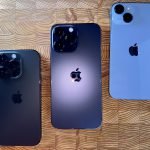
iPhone 14 Pro (used, $499 to $649): Dynamic Island, 48MP main, same A16 chip as the iPhone 15. A better camera and a more modern design for $100 to $150 more. Worth the stretch if budget allows.
Google Pixel 7a (used, ~$299): 7-year update commitment from 2023 (so through 2030), strong camera AI, Android. For buyers with Android preference and a tighter budget.
Frequently Asked Questions
Will the iPhone 13 Pro receive iOS 19? Yes, based on Apple’s history. iOS 20 is uncertain – the 13 Pro will be five years old when iOS 20 releases, and Apple typically drops support around the 5 to 6 year mark.
What is the difference between iPhone 13 Pro and 13 Pro Max? Screen size (6.1-inch vs 6.7-inch) and battery (3,095mAh vs 4,352mAh). The camera system is identical on both. The 13 Pro Max delivers roughly 2 to 3 more hours of screen-on time per charge.
The iPhone 16 Pro Max delivers Apple’s best camera system yet, a 5x telephoto that earns its keep, and battery life that comfortably crosses 12 hours of mixed use.
The iPhone 15 Pro Max introduced titanium, USB-C, and the first 5x telephoto on any iPhone. Priced at $899 to $999 used in 2026, it remains a strong buy.
The iPhone 14 Pro introduced Dynamic Island, the 48MP camera, and Always-On Display. In 2026 at refurbished prices around $599, it is still a genuinely capable phone.