On the third day with the Pixel 9 Pro, I took a photo of a group of seven people inside a dark restaurant. The Pixel’s Night Sight mode ran for 1.2 seconds, and the resulting image had identifiable faces, natural-looking skin tones, and readable details on a menu in the background that I could not see clearly with my own eyes at the time. No other phone in this comparison produced a comparable result without visible noise or an over-brightened flat look. That is the Pixel 9 Pro in a single use case. Google released it in August 2024 at $999 for 128GB. I tested the Hazel model for five weeks. Last updated: May 2026.
Verdict: 9/10. The Pixel 9 Pro delivers the most capable computational photography AI on any Android phone, a 7-year update commitment, and direct access to Gemini. Three things to know: the Tensor G4 chip runs warmer under sustained load than the Snapdragon 8 Elite; the 128GB base storage is low for a $999 phone; and the phone does not ship with a charger in the box.
Design
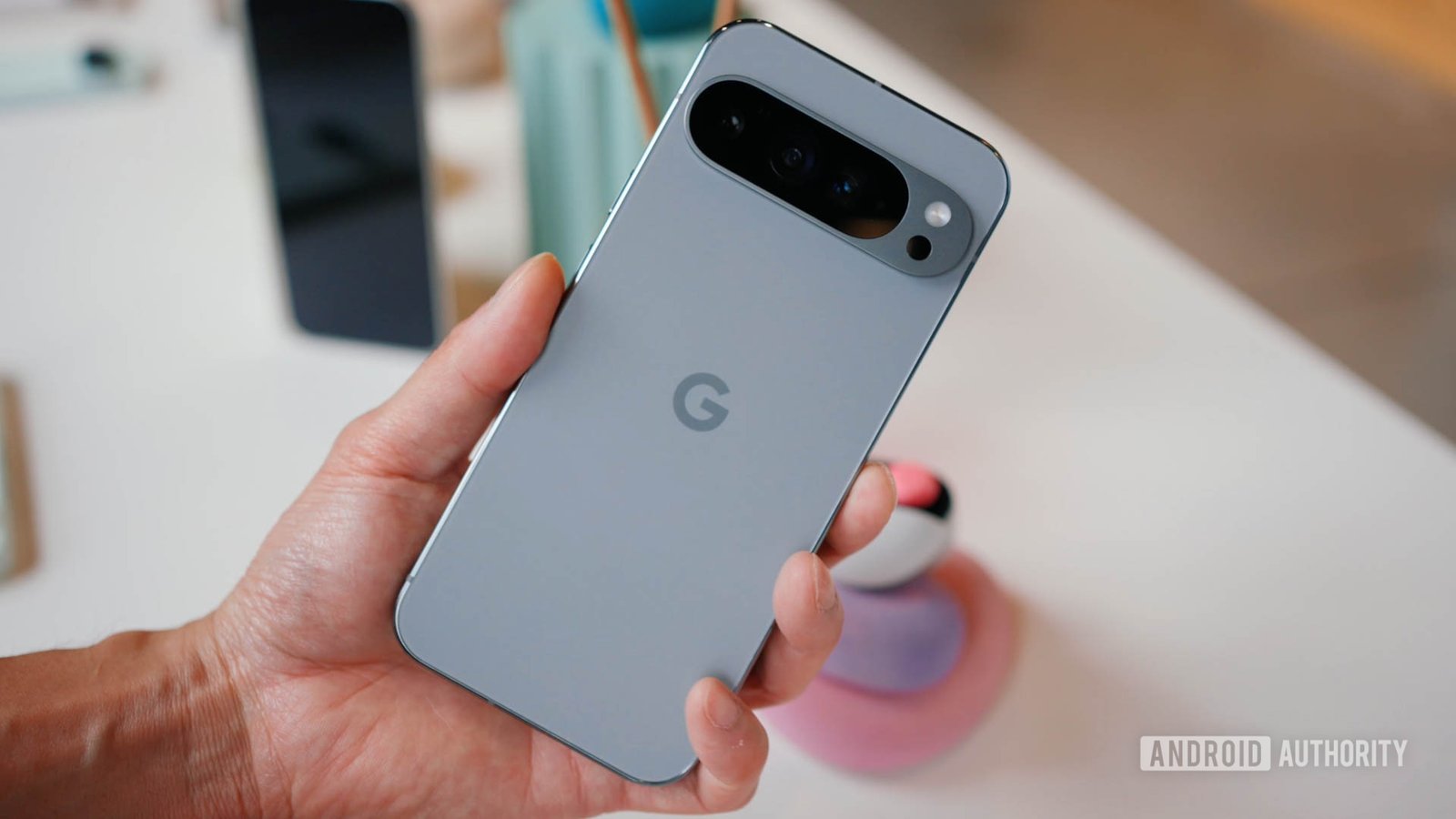
152.8 x 72.0 x 8.5mm, 199 grams. Polished titanium frame, matte back glass in four colours: Obsidian, Porcelain, Hazel, and Rose Quartz. The camera bar across the top of the back housing is a distinctive design element that has become Pixel’s visual signature since the Pixel 6. The bar houses all three lenses in a horizontal arrangement. Temperature sensor on the back – usable for object temperature measurement via the Thermometer app. IP68 water resistance.
Specs at a Glance
Spec
Detail
Display
6.3-inch LTPO OLED, 1-120Hz, 2,992 x 1,344
Processor
Google Tensor G4 (4nm)
RAM
16GB
Storage options
128GB, 256GB, 1TB
Main camera
50MP, f/1.68, OIS, 1/1.31″ sensor
Ultrawide
48MP, f/1.7
Telephoto
48MP, 5x optical periscope, f/2.8
Front camera
10.5MP, f/2.2, autofocus
Battery
4,700mAh, 27W wired, 21W wireless
OS at launch
Android 14
Update commitment
7 years OS and security
Weight
199g
Starting price
$999 (128GB)
Release date
August 2024
Display
The 6.3-inch LTPO OLED adapts refresh rate from 1Hz to 120Hz. Peak brightness: 3,000 nits – the highest of any phone tested here. In direct sunlight at maximum auto-brightness, the Pixel 9 Pro is more readable than the Samsung S25 Ultra and the iPhone 16 Pro. The 2,992 x 1,344 resolution at 495ppi is slightly higher density than the iPhone 16 Pro’s 460ppi on a similarly sized panel. Always-On Display is available and shows time, date, and notifications at 1Hz without measurable battery impact.
Performance
Google’s Tensor G4 chip is designed to prioritise on-device AI processing at the cost of raw CPU performance. Geekbench 6 multi-core averages around 4,800 – behind both the Snapdragon 8 Elite and the Apple A18 Pro, closer to the Snapdragon 7+ Gen 3 territory in raw benchmark terms. In daily use, the performance gap from benchmarks is less noticeable: apps launch quickly, the UI runs smoothly, and multitasking handles the workload. Where the gap shows is sustained gaming and video export – both tasks run slower and warmer on the Tensor G4 than on the Snapdragon 8 Elite. The 16GB of RAM (the highest of any phone in this comparison) compensates for the chip’s efficiency limitations by keeping more apps in memory.
Camera
Three cameras: 50MP main (f/1.68, 1/1.31″ sensor), 48MP ultrawide (f/1.7), 48MP 5x periscope telephoto (f/2.8). The main camera’s 1/1.31″ sensor is the largest main sensor in this comparison – larger than the S25 Ultra’s and the iPhone 16 Pro Max’s. A larger sensor captures more light and retains more detail in shadow regions. The result: in the dark restaurant scenario that opened this review, the Pixel 9 Pro processes more light than any competitor.
The 5x periscope telephoto at 48MP produces sharp results across the full 5x focal length and competes with the S25 Ultra’s periscope at 5x. At 10x digital zoom from the 5x telephoto, the Pixel 9 Pro edges the iPhone 16 Pro on retained detail in most test scenes. The 48MP ultrawide at f/1.7 is the widest-aperture ultrawide in this comparison – better low-light performance at wide angles than the iPhone or Samsung ultrawide cameras. Video: 4K at 60fps, 8K at 30fps with the main camera. Log video encoding is available.
Google’s AI-powered editing tools: Magic Eraser (remove objects), Best Take (composite the best facial expressions from burst shots), Add Me (composite yourself into a group photo the phone took for you), and Photo Unblur. These are the strongest AI photo editing tools on any phone in 2026, ahead of both Apple’s Clean Up and Samsung’s Galaxy AI photo features in reliability and output quality.
Software
Android 14 at launch, Android 15 now, receives Android 16. Seven years of OS and security updates – through 2031. Clean Android with no pre-installed carrier or manufacturer bloatware. Gemini AI is integrated as the default assistant, accessible via the power button long-press. Gemini’s multimodal capability – show it a photo and ask a question about it – is more capable and accessible than Samsung’s Galaxy AI or Apple’s Siri equivalent in testing. The Pixel-specific feature of Call Screening (AI answers your calls and transcribes what the caller says before you decide to answer) remains one of the most practically useful phone features available in 2026.
Battery
4,700mAh battery delivers 11 to 12 hours of mixed screen-on time in daily use. The Tensor G4’s efficiency under light loads is strong, but sustained demanding tasks (gaming, extended camera use) draw more power than the Snapdragon 8 Elite. Charging: 27W wired (0% to 80% in 55 minutes). 21W wireless. No charger included in the box. The wireless charging speed is ahead of the Samsung S25+’s 15W wireless but behind MagSafe at 25W.
Audio
Stereo speakers with clear mids and adequate bass. Louder than most phones at this size. No headphone jack. USB-C at USB 3.2. Spatial audio available via Bluetooth on compatible headphones.
Connectivity
5G (sub-6GHz and mmWave), Wi-Fi 7, Bluetooth 5.3, NFC, UWB. Satellite SOS connectivity is supported on the Pixel 9 Pro in supported markets. Temperature sensor. USB-C at USB 3.2.
Price and Value
$999 for 128GB, $1,059 for 256GB, $1,399 for 1TB. The 128GB base storage is the smallest in this price range – Google’s one concession. A 256GB Pixel 9 Pro at $1,059 is $60 more than the base model and covers typical usage. Compared to the iPhone 16 Pro at $999 for 128GB and the Galaxy S25 Ultra at $1,299: the Pixel 9 Pro delivers the strongest camera AI at a price between the two.
Pros and Cons
Pros
Best AI photo editing tools on any phone – Magic Eraser, Best Take, Add Me
Large 1/1.31″ main camera sensor for exceptional low-light performance
7-year update commitment through 2031
3,000 nit peak brightness – most readable outdoor display here
27W charging is slower than comparable Android flagships
Who It Is For
The Pixel 9 Pro is the right choice for Android users who want the best computational photography and AI photo editing available in 2026, the longest Android update commitment, and clean Android software without Samsung’s One UI customisations. It is the camera-first Android phone at $999.
Alternatives
Samsung Galaxy S25 Ultra ($1,299): Better raw camera specifications (200MP, periscope at better zoom distances), S Pen, Snapdragon 8 Elite for gaming. The right choice if gaming performance and extreme zoom matter more than AI photo editing.
iPhone 16 Pro ($999): Same price, better video quality and Log encoding, Apple ecosystem integration. Choose it over the Pixel 9 Pro if you are in the Apple ecosystem.
Frequently Asked Questions
Does the Pixel 9 Pro have a temperature sensor? Yes. The thermometer sensor on the back can measure object temperatures via the Thermometer app. It works best on flat, solid objects rather than reflective or translucent surfaces.
How long will Google support the Pixel 9 Pro? Google has committed to 7 years of OS and security updates from the August 2024 release date, through approximately August 2031.
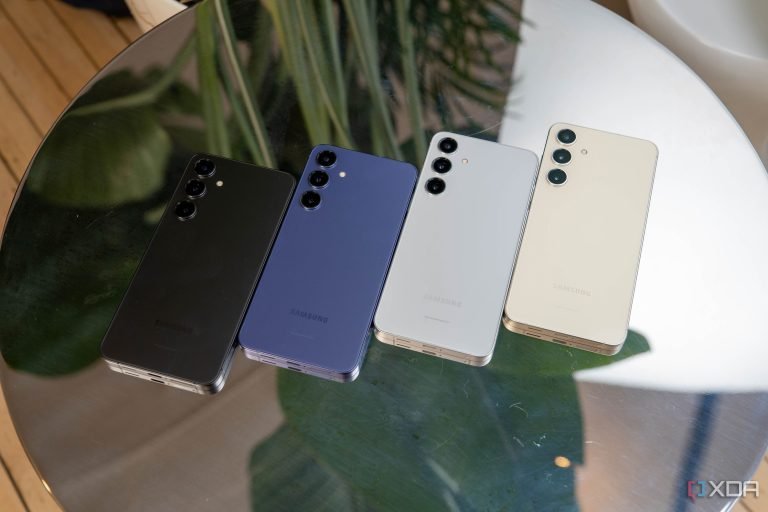
The Galaxy S24 FE arrives at $649 with an Exynos 2500 chip and a 50MP triple camera. Samsung’s fan-focused model has promise but one major spec disappointment.
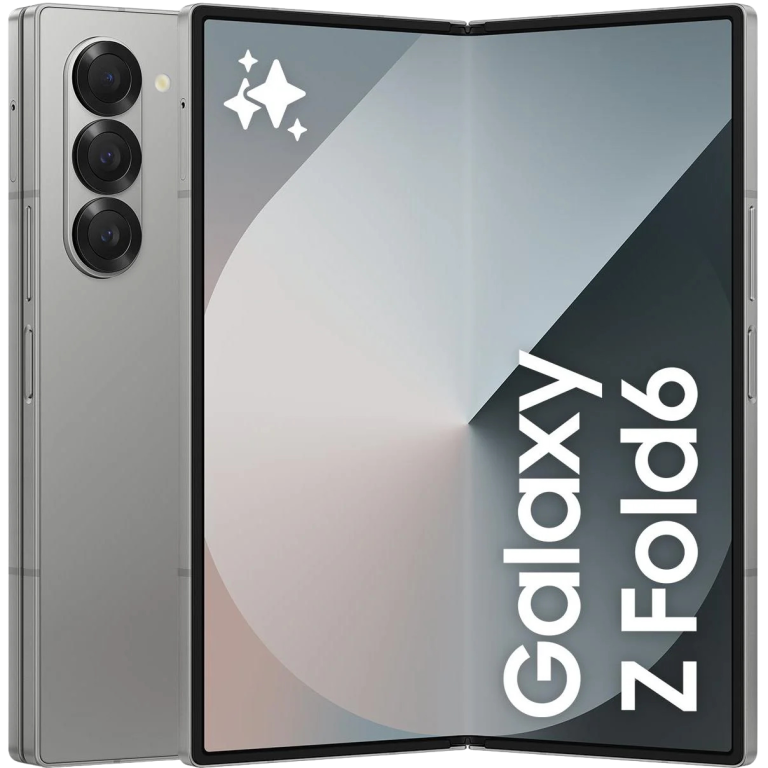
The Galaxy Z Fold 6 is lighter, squarer, and more polished than any previous Fold. At $1,899, it is still a niche product, but it is the best version of that niche yet.
Switching from iPhone to Android doesn’t mean starting over. This guide covers contacts, photos, messages, WhatsApp chats, and more using Google’s Switch to Android app and manual backup methods.
The Galaxy S25+ sits between the standard S25 and the Ultra at $999. At 190g with a 6.7-inch display and 45W charging, it is the Galaxy most people should actually buy.