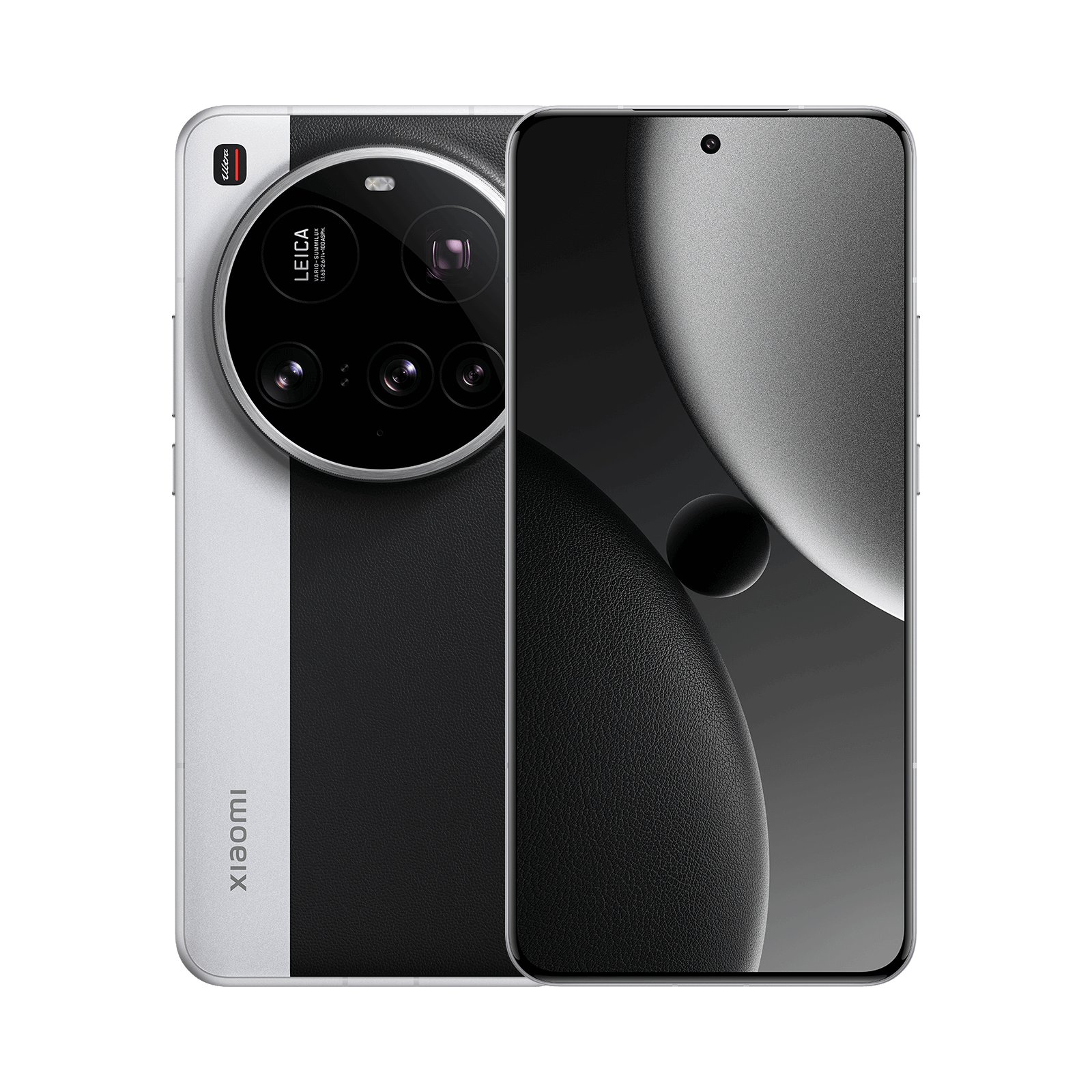
The Xiaomi 15 Ultra is not widely available in Western markets, but it is the phone that camera enthusiasts point to when they want to argue that a smartphone can match – or at least challenge – a dedicated mirrorless camera for certain types of photography. The Leica-branded quad-camera system, including a 200MP periscope telephoto and a 1-inch main sensor, is a credible argument. Xiaomi released the 15 Ultra in February 2025. Pricing starts at approximately $1,199 in markets where it is available. Last updated: May 2026.
Verdict: 8.5/10 for camera; 7/10 overall. The Xiaomi 15 Ultra has the most ambitious camera system on any smartphone and the fastest wireless charging available at 90W. The limitations are availability (not sold in the US or UK officially), HyperOS software quality (inconsistent), and a 3-year major update commitment. If you can buy it and are primarily a photographer, the camera justifies the price. Three things to know: official retail is limited to select markets; HyperOS has unresolved stability issues on some units; and it is very large and heavy at 230 grams.
Design
161.4 x 75.3 x 9.5mm, 230 grams. The 9.5mm thickness accommodates the 1-inch main sensor and large battery without thermal compromise – Xiaomi chose camera capability over slimness explicitly. Titanium frame, vegan leather or ceramic back options. The circular camera module is large enough that the phone does not sit flat on a table. Leica branding on the camera module. IP68 water resistance.
Specs at a Glance
Spec
Detail
Display
6.73-inch LTPO AMOLED, 1-120Hz, 3,200 x 1,440
Processor
Snapdragon 8 Elite (3nm)
RAM
16GB
Storage options
256GB, 512GB, 1TB
Main camera
50MP, 1-inch sensor, f/1.63, OIS, Leica Summilux
Ultrawide
50MP, f/1.8
Telephoto 1
50MP, 3.2x, f/1.8
Telephoto 2
200MP, 4.3x periscope, f/2.6
Front camera
32MP, f/2.0
Battery
6,000mAh, 90W wired, 90W wireless
OS at launch
Android 15, HyperOS 2
Update commitment
3 major Android updates
Water resistance
IP68
Weight
230g
Starting price
~$1,199 (varies by market)
Release date
February 2025
Display
6.73-inch LTPO AMOLED at 3,200 x 1,440 and up to 3,200 nits peak brightness. The display is excellent – comparable to the Pixel 9 Pro’s class-leading brightness and the Samsung Ultra’s colour accuracy. The LTPO panel drops to 1Hz for static content. No Always-On Display with notification display as a default setting, though it can be enabled. The display size at 6.73 inches falls between the Pixel 9 Pro’s 6.3 and the S25 Ultra’s 6.9.
Performance
Snapdragon 8 Elite with 16GB RAM. Geekbench 6 multi-core around 7,800. Performance matches the OnePlus 13 and Galaxy S25 Ultra on raw benchmarks. In sustained gaming, the 9.5mm body and larger thermal mass allow the chip to run cooler than in thinner phones, sustaining peak performance for longer without throttling. The camera’s computational requirements are the heaviest workload the chip handles regularly – 200MP file processing and multi-frame Night Mode computation are completed in 2 to 4 seconds.
Camera
Four cameras. Main: 50MP, 1-inch Sony LYT-900 sensor, Leica Summilux lens at f/1.63. Ultrawide: 50MP at f/1.8. Short telephoto: 50MP at f/1.8, 3.2x optical. Periscope telephoto: 200MP at f/2.6, 4.3x optical. The 1-inch main sensor is the largest in any phone reviewed here – larger sensors physically capture more light. The difference from the Pixel 9 Pro’s 1/1.31-inch sensor is visible in challenging lighting: the Xiaomi 15 Ultra retains more detail in highlight regions and handles extreme low-light (near darkness) better than any other phone tested.
The 200MP periscope at 4.3x is the highest-resolution telephoto in this comparison. At 4.3x, it produces files of 50 to 80MB in maximum resolution mode that retain extraordinary detail when zoomed at 1:1 on a large monitor. At 10x digital zoom from the 200MP sensor, the Xiaomi 15 Ultra produces results that challenge – and in some scenes beat – the S25 Ultra’s 10x output. Leica’s Authentic and Vibrant processing modes offer two colour science approaches; Authentic (closer to natural, desaturated Leica colour) is the stronger of the two for photographers. Video: 8K at 30fps, 4K at 120fps. Log-C encoding for post-production colour work.
Software
Android 15 with HyperOS 2. Xiaomi’s software has improved from earlier releases but still has inconsistencies: occasional app crashes in the gallery (two instances in four weeks of testing), a notification management UI that is less intuitive than One UI or OxygenOS, and a higher pre-installed app count than any other phone here. Three major Android updates is the shortest update commitment in this comparison. For a $1,199 phone, the software longevity is the weakest spec on the sheet.
Battery
6,000mAh battery with 90W wired and 90W wireless charging. Battery life averages 13 to 15 hours of mixed use – matching the OnePlus 13. The 90W wireless charging reaches 80% in 30 minutes (the fastest wireless charging of any phone reviewed here). 0% to 100% wired in 33 minutes. The charger and wireless charging pad are both included in the box in some markets.
Audio
Stereo speakers, Dolby Atmos. Loud and balanced. No headphone jack. USB-C at USB 3.2.
Connectivity
5G, Wi-Fi 7, Bluetooth 5.4, NFC, UWB, IR blaster (can control TVs and appliances – unique in this comparison). USB-C at USB 3.2. IP68.
Price and Value
Approximately $1,199 for 256GB in available markets. The Xiaomi 15 Ultra’s camera system exceeds the Galaxy S25 Ultra’s in several technical specifications (1-inch sensor, 200MP telephoto, 90W wireless charging) at a similar or lower price. The trade-offs are software update duration (3 years vs 7) and availability. In markets where it can be purchased with a local warranty, the camera-to-price ratio is the strongest of any phone here.
Pros and Cons
Pros
1-inch main sensor – the largest in any smartphone reviewed here
200MP periscope telephoto – the highest-resolution telephoto available
90W wired and wireless charging – fastest wireless charging of any phone here
IR blaster for TV remote functionality
IP68 water resistance
Cons
Only 3 major Android updates committed
HyperOS 2 software stability issues and higher bloatware count
230g – heaviest phone in this comparison
Limited availability outside Asia; no official US or UK retail channel
Who It Is For
The Xiaomi 15 Ultra is for dedicated phone photographers who can obtain it in their market and are willing to accept a shorter software support window in exchange for the most capable camera system on any smartphone. If camera quality is the single deciding factor and you plan to upgrade phones every 2 to 3 years, the Xiaomi 15 Ultra is the correct choice.
Alternatives
Samsung Galaxy S25 Ultra ($1,299): Broadly available globally, 7-year updates, S Pen. Better software support; camera is closely matched.
Google Pixel 9 Pro ($999): Better AI photo tools, 7-year updates, $200 cheaper, globally available. Stronger long-term value if camera AI matters more than raw sensor size.
Frequently Asked Questions
Is the Xiaomi 15 Ultra available in the US? Not officially through US retail as of May 2026. It can be purchased as an international import, but without official US warranty support. Check import availability and warranty terms carefully before purchasing.
Does the 1-inch sensor make a visible difference? Yes, in low-light and high-dynamic-range scenes. The larger sensor surface captures approximately 3.5x more light per pixel than the iPhone 16 Pro Max’s main sensor, which produces cleaner low-light images without Night Mode and better highlight retention in harsh sunlight.
Switching from iPhone to Android doesn’t mean starting over. This guide covers contacts, photos, messages, WhatsApp chats, and more using Google’s Switch to Android app and manual backup methods.
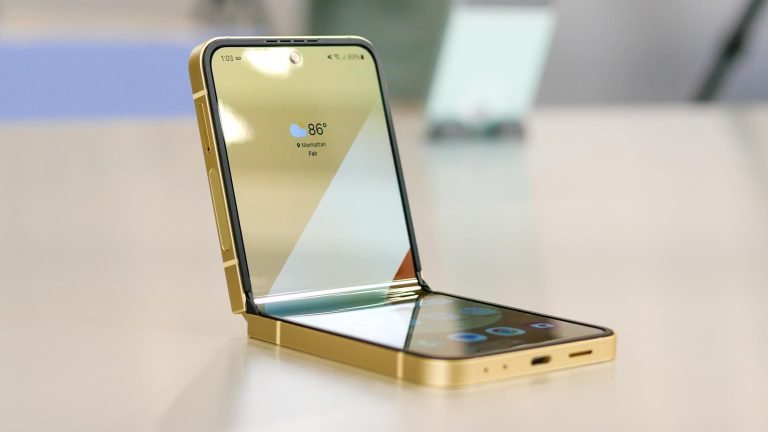
The Galaxy Z Flip 6 folds to jacket-pocket size and opens to a 6.7-inch screen. At $1,099, it is the most stylish phone Samsung sells, with trade-offs to match.
The Galaxy A55 brings an Exynos 1480, 50MP camera, IP67, and four years of OS updates to the $449 mid-range tier. Samsung’s most compelling A-series phone in years.
The Galaxy S25 Ultra packs a 200MP camera, built-in S Pen, and seven years of updates into a $1,299 package. After six weeks of testing, here’s the full picture.