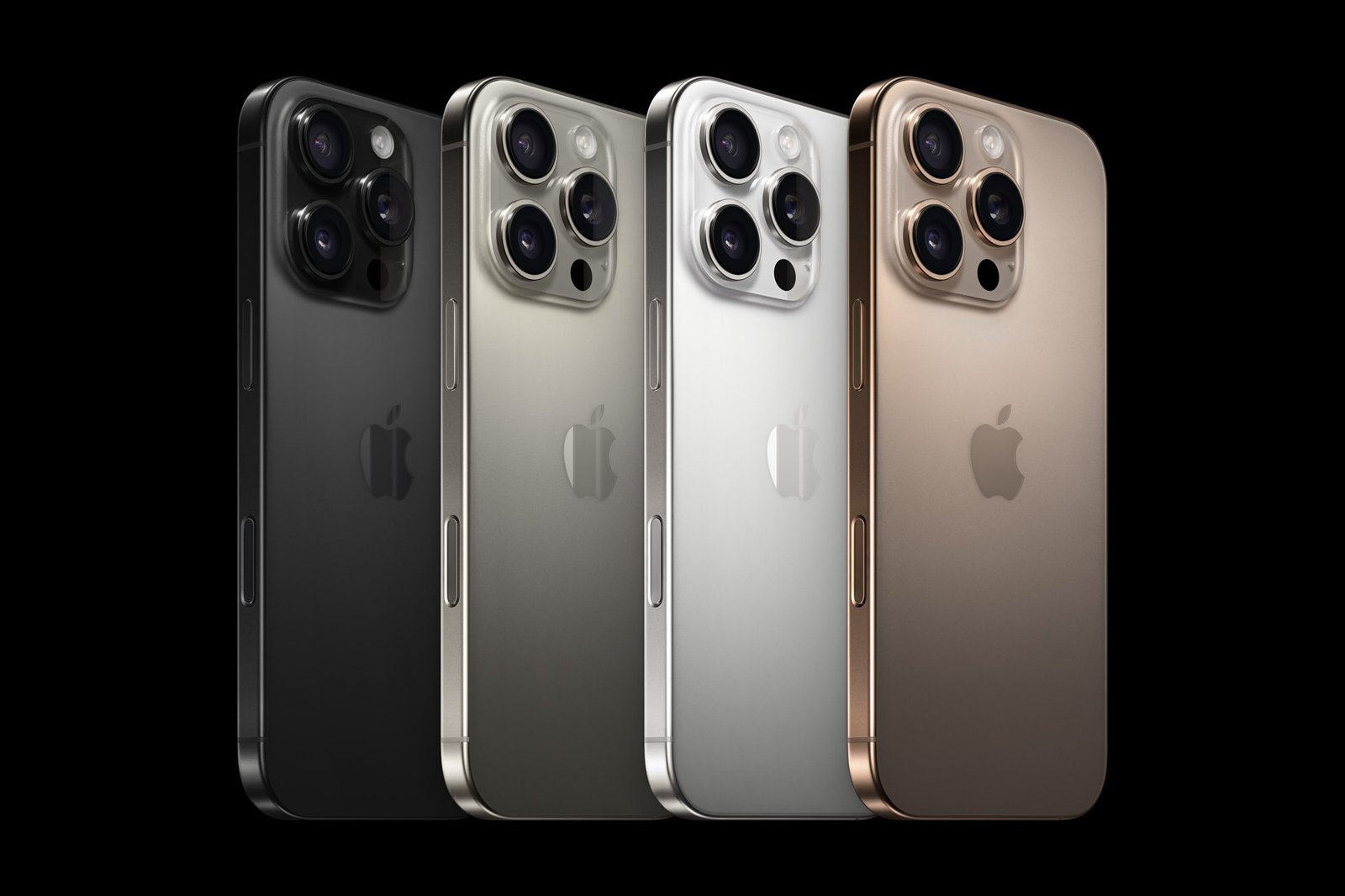
Apple put a new button on the side of the iPhone 16. The Camera Control – a capacitive strip below the power button – is how Apple is selling this phone, and for the first week of testing it felt like a solution to a problem nobody had. By week three, I had retrained my muscle memory and now reach for it instinctively when pulling the phone out for a quick shot. Whether it is worth $799 depends on what you are upgrading from. Last updated: May 2026.
Apple released the iPhone 16 in September 2024 starting at $799 for 128GB. I tested the 128GB Ultramarine model for four weeks. It is the first standard iPhone to ship with hardware capable of running Apple Intelligence, a category distinction from the iPhone 15 that matters if you care about on-device AI features.
Verdict: 8/10. The iPhone 16 is a meaningful upgrade over the 14 and earlier, and a modest step up from the 15. The A18 chip, 48MP camera, and Apple Intelligence support make it the best standard iPhone Apple has made. The Camera Control button is more useful than it first appears. Three things to know: it is still 60Hz (not 120Hz); the telephoto is a 2x crop from the main sensor rather than a dedicated lens; and you will need a third-party 30W charger to charge at a reasonable speed.
Design
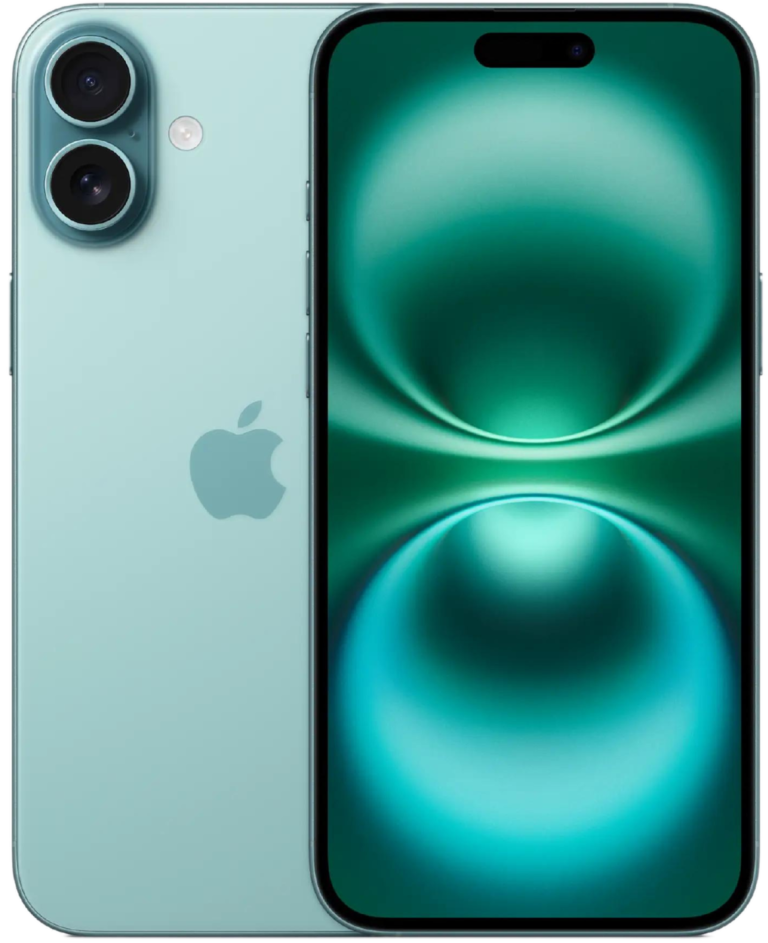
The iPhone 16 measures 147.6 x 71.6 x 7.8mm and weighs 170 grams, making it the lightest phone in the 16 lineup. The aluminium frame replaces the titanium of the Pro models, and the back is colour-treated glass – Ultramarine, Teal, Pink, White, and Black. The colours are more saturated and distinctive than the muted Pro palette. Teal and Ultramarine are the standouts; White and Black are safe choices for those who use a case.
The Action button migrated from the Pro lineup this year – it sits above the volume buttons and can be mapped to any shortcut, app, or mode. This is a more useful addition to the standard model than the Camera Control, which requires practice before it becomes natural. Both buttons are physical additions to a phone that otherwise has the same chassis dimensions as the iPhone 15.
Specs at a Glance
Spec
Detail
Display
6.1-inch Super Retina XDR OLED, 60Hz, 2,556 x 1,179
Processor
Apple A18 (3nm)
RAM
8GB
Storage options
128GB, 256GB, 512GB
Main camera
48MP, f/1.6, OIS, second-generation sensor-shift
Ultrawide
12MP, f/2.2, macro capable
Front camera
12MP TrueDepth, f/1.9, autofocus
Battery
~3,561mAh, 25W wired, 25W MagSafe
OS at launch
iOS 18
Dimensions
147.6 x 71.6 x 7.8mm
Weight
170g
Starting price
$799 (128GB)
Release date
September 2024
Display
The 6.1-inch OLED display runs at 60Hz – a fact Apple does not emphasise in its marketing but that is noticeable when you use a Pro model or a comparable Android phone with 120Hz alongside it. Scrolling text and animations are visibly smoother on the Pro. For video watching, still photos, and general app use, 60Hz is adequate. For gaming or frequent scrolling use, the 60Hz ceiling is a genuine limitation.
Peak brightness reaches 2,000 nits in HDR and 800 nits typical outdoor use, up from 1,000 nits on the iPhone 15. In direct sunlight, the display is readable without cupping your hand over it. Colour accuracy is Display P3, consistent with the rest of the iPhone 16 lineup.
Performance
The A18 chip in the standard iPhone 16 is a trimmed version of the A18 Pro (one fewer GPU core). Geekbench 6 multi-core scores average around 7,900, compared to around 8,500 for the A18 Pro. In daily use, the difference is imperceptible. The A18 chip in the standard model is what enables Apple Intelligence – the iPhone 15’s A16 Bionic was not fast enough to run on-device AI features, which is why the 15 never received them.
App launch times and multitasking performance are indistinguishable from the Pro models in everyday tasks. Gaming at maximum settings is smooth. The 8GB of RAM ensures that background apps are retained in memory longer than on the iPhone 14 and 15 (which shipped with 6GB).
Camera
The main 48MP camera uses a new second-generation sensor-shift OIS system with a wider f/1.6 aperture (the Pro uses f/1.78). In low light, the wider aperture on the standard model lets in more light than the Pro’s main sensor – a counterintuitive outcome where the cheaper phone has a marginal advantage in one specific scenario. In all other conditions, the Pro’s camera system is ahead, primarily due to the 5x telephoto that the 16 lacks.
The iPhone 16’s telephoto is a 2x optical-quality zoom produced by cropping the centre of the 48MP main sensor. It is clean and usable at 2x, less convincing from 3x onward. Ultrawide is 12MP with macro capability: move within 2cm of a subject and the ultrawide activates automatically. Video maxes out at 4K 60fps on main and front cameras. The Camera Control button adds a dedicated physical shutter that also allows exposure and zoom adjustment by sliding.
Software
iOS 18 with Apple Intelligence ships on the iPhone 16. Writing Tools, Priority Notifications, and the summarisation features work well in daily use. Apple Intelligence on the standard 16 is functionally identical to the Pro – the hardware difference between A18 and A18 Pro does not affect which AI features are available. The Action button is configurable in Settings, and the mapping can be changed on the fly through the Controls menu.
Battery
The 3,561mAh battery delivered 9 to 11 hours of mixed screen-on time across four weeks of testing. Light days (mostly calls and messaging) reached 11 hours. Days with extended camera use, an hour of mapping, and a long commute pulled it down to 9 hours. Charging from 0% to 80% took 33 minutes with a 30W charger. MagSafe at 25W reached 80% in 58 minutes. The 20W adapter Apple includes in the box takes 15 minutes longer than a 30W charger for a full charge.
Audio
Stereo speakers that are loud enough for room use in quiet environments. The earpiece speaker and the bottom-firing speaker produce a reasonable stereo spread in landscape orientation – fine for video calls, adequate for music. No 3.5mm jack. USB-C audio works via adapter. Spatial audio is available on Bluetooth via AirPods and compatible third-party headphones.
Connectivity
5G (sub-6GHz, with mmWave in US models), Wi-Fi 6E, Bluetooth 5.3, NFC, Ultra Wideband. Note: unlike the Pro models, the iPhone 16 supports Wi-Fi 6E rather than Wi-Fi 7. For most users this makes no practical difference – public and home Wi-Fi 7 infrastructure is not yet widespread enough to make the step-down noticeable. USB-C port uses USB 2 speeds (480Mbps), fine for charging and data transfer of photos and documents.
Price and Value
$799 for 128GB, $899 for 256GB, $1,099 for 512GB. The iPhone 15 is still available from Apple at $699 as of early 2026. For $100 more, the 16 brings the Action button, Camera Control, A18 chip with Apple Intelligence support, and a better main camera aperture. That is worth the $100 premium over the 15. If budget is the primary concern, the refurbished iPhone 15 at $599 to $649 is also a strong option.
Pros and Cons
Pros
A18 chip supports Apple Intelligence – the iPhone 15 does not
f/1.6 main camera aperture is wider than the Pro’s f/1.78
Action button and Camera Control add real functionality to the standard model
170g is the most comfortable weight in the iPhone 16 lineup
Strong 9 to 11 hour battery life in mixed use
Cons
60Hz display, noticeably lower than the Pro’s 120Hz ProMotion
No dedicated telephoto lens; 2x zoom is a sensor crop
Wi-Fi 6E rather than Wi-Fi 7
USB-C port is USB 2 speed only
Who It Is For
The iPhone 16 is the right pick for anyone upgrading from an iPhone 13 or earlier who wants Apple Intelligence, a better camera, and a lighter phone than the Pro models. At 170 grams it is the most portable option in the lineup without dropping to the SE. If you use your phone primarily for calls, messaging, social media, and occasional photos, the 60Hz display and 2x zoom will not hold you back.
Buy the iPhone 16 Pro instead if you regularly shoot at range, need 120Hz for gaming or smooth scrolling, or do regular file transfers that benefit from USB 3 speeds.
Alternatives at This Price
Samsung Galaxy S25 ($799): 6.2-inch 120Hz display, Snapdragon 8 Elite, 50MP camera, 7 years of updates. A direct competitor with a refresh rate advantage and a longer update commitment. Choose it over the iPhone 16 if smooth scrolling and longer official software support are priorities.
Google Pixel 9 ($799): Google’s computational photography processing, 7-year update commitment, clean Android interface. The Pixel 9’s camera AI rivals and sometimes exceeds the iPhone 16’s output in AI-enhanced shots.
Frequently Asked Questions
Does the iPhone 16 support Apple Intelligence? Yes. The A18 chip is the minimum hardware requirement for Apple Intelligence features. The iPhone 15 and earlier do not support Apple Intelligence regardless of iOS version.
Is the iPhone 16 worth upgrading from the iPhone 15? Only if Apple Intelligence features, the Action button, or the Camera Control matter to you. The hardware improvements – A18 over A16, wider aperture – are real but not dramatic in everyday photos. If you are on an iPhone 15 and content, waiting for the 17 series makes more sense.
Can the iPhone 16 charge at 30W? The iPhone 16 is rated for 25W fast charging. Third-party 30W chargers will work but will not meaningfully exceed 25W on this device. A 30W charger is still faster than Apple’s included 20W adapter.
The iPhone 15 brought USB-C, a 48MP main camera, and Dynamic Island to the standard lineup. In 2026 at $699, it is one of the best-value iPhones you can buy.
The iPhone X launched at $999 in November 2017 and changed the iPhone’s face permanently. Eight years on, a look at what it got right and what the years have revealed.
The iPhone 16 Plus offers the best battery life in the non-Pro lineup and a 6.7-inch screen at $899. It is a narrow recommendation for a specific type of buyer.