The iPhone 15 is the phone Apple still sells at $699 – a year after it launched and two years after the design was established. In September 2023, Apple switched the standard iPhone to USB-C, added the Dynamic Island from the 14 Pro, and put a 48MP main camera in a phone that previously topped out at 12MP. In 2026, at $699 new and $599 to $649 refurbished, the iPhone 15 is the most straightforward value recommendation in Apple’s current lineup. Last updated: May 2026.
Verdict: 8/10. At $699 new, the iPhone 15 offers a 48MP camera, Dynamic Island, USB-C, and the A16 Bionic chip that powered the iPhone 14 Pro. It lacks Apple Intelligence and the Action button of the 16 series. Three things to know: the display runs at 60Hz; there is no dedicated telephoto (2x crop only); and the A16 chip, while fast, will not receive Apple Intelligence features.
Design
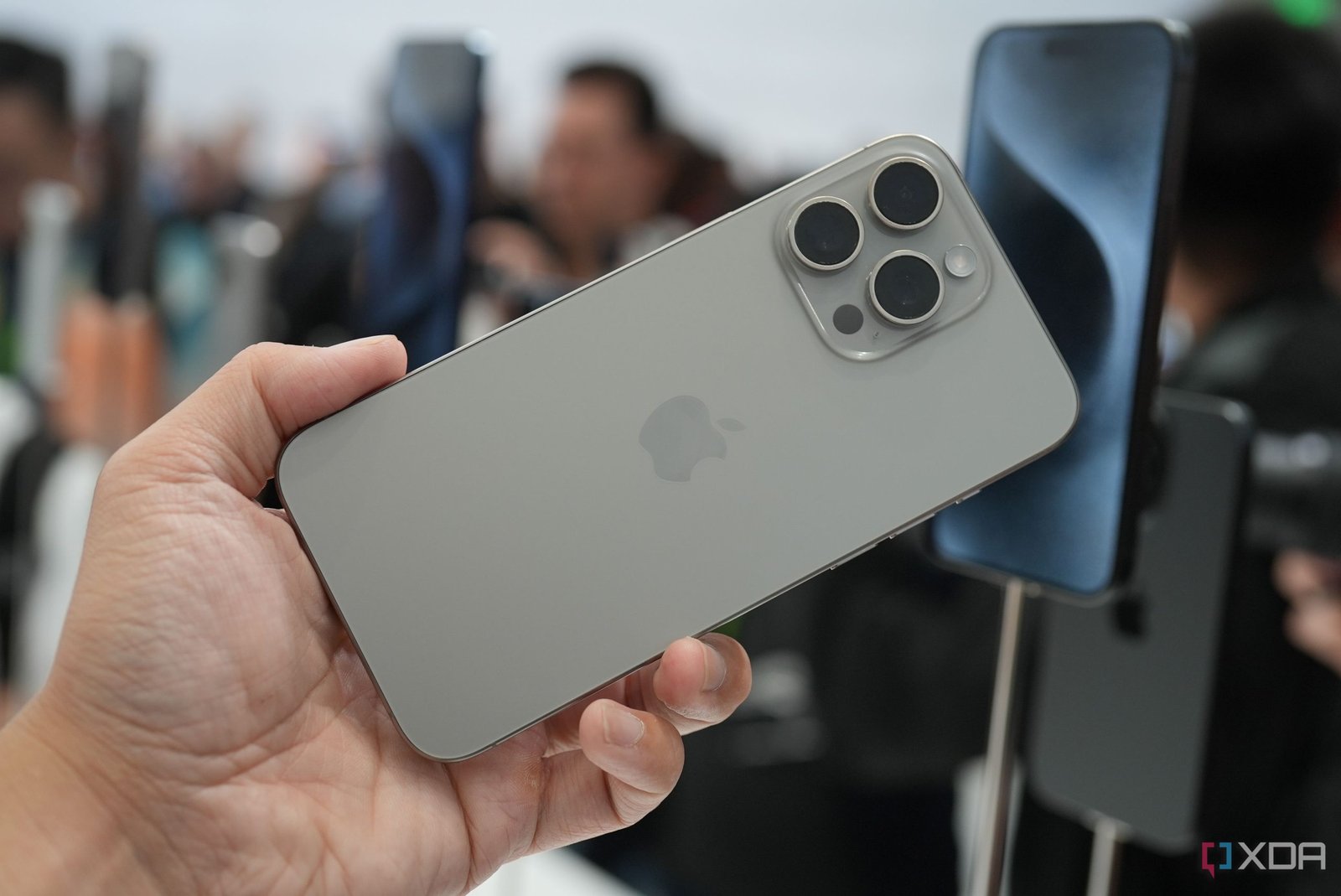
The iPhone 15 is 147.6 x 71.6 x 7.8mm and weighs 171 grams, nearly identical in dimensions to the iPhone 16. The aluminium frame and colour-back glass in five colours: Black, Blue, Green, Yellow, and Pink. The Dynamic Island houses the Face ID sensors and front camera at the top of the screen – replacing the notch that the standard iPhone carried from iPhone X through iPhone 14. USB-C replaces Lightning for the first time on a standard iPhone.
Specs at a Glance
Spec
Detail
Display
6.1-inch Super Retina XDR OLED, 60Hz, 2,556 x 1,179
Processor
Apple A16 Bionic (4nm)
RAM
6GB
Storage options
128GB, 256GB, 512GB
Main camera
48MP, f/1.6, OIS
Ultrawide
12MP, f/2.4
Front camera
12MP TrueDepth, f/1.9, autofocus
Battery
~3,349mAh, 20W wired, 15W MagSafe
OS at launch
iOS 17
Dimensions
147.6 x 71.6 x 7.8mm
Weight
171g
Starting price (2026)
$699 new; $599 refurbished
Release date
September 2023
Display
The 6.1-inch OLED runs at 60Hz. The Dynamic Island at the top of the display is functional rather than a design statement at this point – app integrations for navigation, timers, and media playback have been available long enough that they work reliably. The display peaks at 2,000 nits in HDR, up from 1,200 nits on the iPhone 14. The outdoor brightness improvement over the 14 is real and noticeable in direct sunlight.
Performance
The A16 Bionic shipped in the iPhone 14 Pro in 2022 and trickled down to the standard iPhone 15 in 2023. Geekbench 6 multi-core scores average around 5,600 – behind the current A18 chip but faster than most Android mid-range processors. Daily performance is smooth across all standard tasks. Gaming at medium to high settings is capable. Apple Intelligence is not supported – the A16 does not meet the hardware requirements. The phone will receive iOS 19.
Camera
The 48MP main camera was the biggest upgrade from the iPhone 14’s 12MP sensor. The increase in resolution means more detail in daylight shots, more flexibility to crop, and significantly better low-light performance. The main sensor in the 15 is the same 48MP hardware as the iPhone 14 Pro – a genuinely capable camera in a $699 phone. The ultrawide is 12MP at f/2.4, fine for wide environmental shots but not a macro camera.
There is no dedicated telephoto. The 2x optical-quality zoom is produced by a centre crop of the 48MP main sensor. At 2x, the results are sharp. From 3x onward, digital zoom quality drops off quickly. If telephoto photography is a priority, the iPhone 16 Pro or a used iPhone 15 Pro Max is a better fit. Video: 4K at 60fps on the main camera. Cinematic mode at 4K 30fps for the first time on a standard model.
Software
The iPhone 15 runs iOS 18 and will receive iOS 19. Apple Intelligence is not supported. All other iOS 18 features are present, including the customisable lock screen, interactive widgets, StandBy mode (when the phone is charging in landscape), and the improved Safari. The Dynamic Island handles live activity notifications for navigation, food delivery, and third-party apps that have implemented the API. Useful and unobtrusive in day-to-day use.
Battery
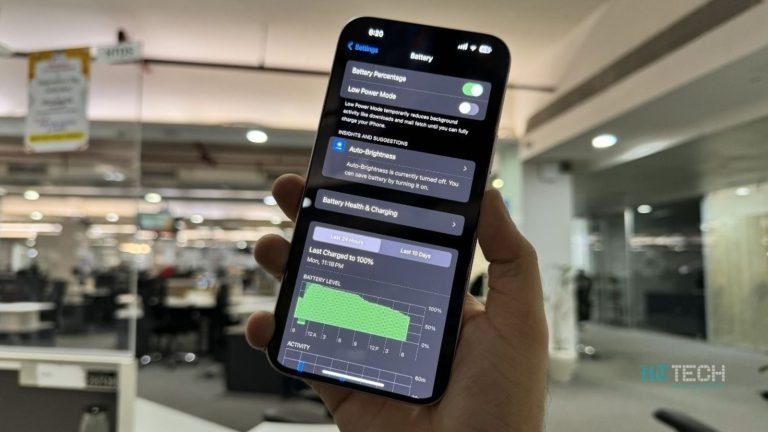
The 3,349mAh battery is the smallest in the iPhone 15 lineup. In daily use, it delivers 8 to 10 hours of mixed screen-on time. Light days clear 10 hours. Heavy days with extended camera use or gaming end around 7 to 8 hours. Charging: 20W wired (40 minutes from 0% to 80% with a compatible charger), 15W MagSafe. Slower than the current generation’s 25 to 27W wired charging, but adequate for overnight charging.
Audio
Stereo speakers (earpiece and bottom-firing) that are good enough for video calls and casual media. Not as loud as the 16 Pro Max’s speakers. No headphone jack. USB-C audio via adapter. MagSafe accessories work at up to 15W, which is slower than the 25W on the 16 series.
Connectivity
5G (sub-6GHz), Wi-Fi 6, Bluetooth 5.3, NFC, Ultra Wideband. USB-C at USB 2 speeds (480Mbps). No mmWave 5G, no Wi-Fi 6E, no Wi-Fi 7. Emergency SOS via satellite. The Wi-Fi standard is lower than the 16 series, but Wi-Fi 6 is adequate for typical home and office network speeds in 2026.
Price and Value
$699 new from Apple in 2026. Certified refurbished units are available from $599 to $649. At $699, it is $100 cheaper than the iPhone 16 and offers a comparable camera and similar daily performance. The trade-offs versus the iPhone 16 are: no Action button, no Camera Control button, no Apple Intelligence, and 6GB of RAM versus 8GB. Whether those differences justify $100 depends on how much you value Apple Intelligence and the new buttons.
Pros and Cons
Pros
48MP main camera is a genuine upgrade over the iPhone 14’s 12MP
Dynamic Island is a clean replacement for the notch
USB-C – cables and accessories work across all current devices
$699 new is strong value for what the hardware delivers
Will receive iOS 19 – supported through at least 2028
Cons
No Apple Intelligence – A16 chip is excluded
60Hz display and no ProMotion
No dedicated telephoto lens
15W MagSafe is slower than the 25W on iPhone 16
Who It Is For
The iPhone 15 at $699 is the right buy for anyone upgrading from an iPhone 12 or earlier who wants USB-C, a better camera, and solid performance without spending $799 or more. If you are on an iPhone 13 or 14 and do not need Apple Intelligence, there is not enough here to justify the upgrade cost. The iPhone 15 is also a sensible first smartphone for a family member who does not need the latest features.
Alternatives
iPhone 16 ($799): $100 more, adds Apple Intelligence, Camera Control, Action button, and 8GB of RAM. Worth it if you want Apple Intelligence.
Google Pixel 8a ($499): 7-year update commitment, strong camera AI, significantly cheaper. If Android is not a dealbreaker, the Pixel 8a at $499 competes directly with the iPhone 15 on camera quality and undercuts it on price.
Frequently Asked Questions
Does the iPhone 15 support Apple Intelligence? No. Apple Intelligence requires an A17 Pro or newer chip. The iPhone 15 ships with the A16 Bionic and will not receive Apple Intelligence regardless of iOS version.
Is the iPhone 15 still a good buy in 2026? Yes, at $699 new. The 48MP camera, USB-C, and Dynamic Island are features that hold up well. The primary limitations are the 60Hz display and the lack of Apple Intelligence support.
The iPhone 15 Pro Max introduced titanium, USB-C, and the first 5x telephoto on any iPhone. Priced at $899 to $999 used in 2026, it remains a strong buy.
The iPhone 13 Pro introduced ProMotion to the standard Pro size and macro photography to the iPhone lineup. At $350 to $450 used in 2026, it holds up surprisingly well.