Laser vs Inkjet Printer: Which Should You Buy in 2026?
The laser-versus-inkjet question comes up every time someone needs a new printer. Marketing claims from both sides confuse more than they clarify. Here is the straightforward comparison based on how these technologies actually behave in real use.
How They Work (The Short Version)
Laser printers use a laser beam to draw an image on a drum coated with toner (a dry powder). Heat fuses the toner to the paper. The result is immediately dry, resistant to smearing, and produced without any liquid ink touching the paper. Inkjet printers use tiny nozzles to spray microscopic droplets of liquid ink onto paper. The ink needs to dry or be absorbed by the paper, which takes a moment and leaves ink vulnerable to smearing immediately after printing.
Print Quality: Where Each Excels
Laser printers produce sharper text and crisp graphics with solid colors. The toner fusion process creates precise, hard edges – laser-printed text is noticeably crisper than inkjet text at equivalent resolution. For documents that are primarily text with simple graphics (contracts, reports, forms, invoices), laser quality is excellent.
Inkjet printers handle color gradients, photographs, and color accuracy better. The liquid ink system can produce smoother color transitions and a wider color gamut than toner. For documents with embedded photographs, marketing materials, or any color-critical output, inkjet produces more natural-looking results. For photo printing specifically, inkjet is the technology of choice – no laser printer can match a good photo inkjet for color accuracy and tonal range.
Speed
Laser printers are faster once warmed up. Modern laser printers reach print speeds of 25-40 pages per minute. The trade-off is warm-up time – laser printers have a fuser that must reach operating temperature, which adds 5-20 seconds before the first page prints. This is noticeable when printing a single page occasionally; invisible when printing a 50-page batch.
Inkjet printers start printing immediately (no warm-up) but print slower – typically 8-20 pages per minute for text, slower for color. For single-page printing done occasionally, the inkjet’s instant start gives it a practical speed advantage despite the lower ppm rating.
Running Costs: The Most Important Difference
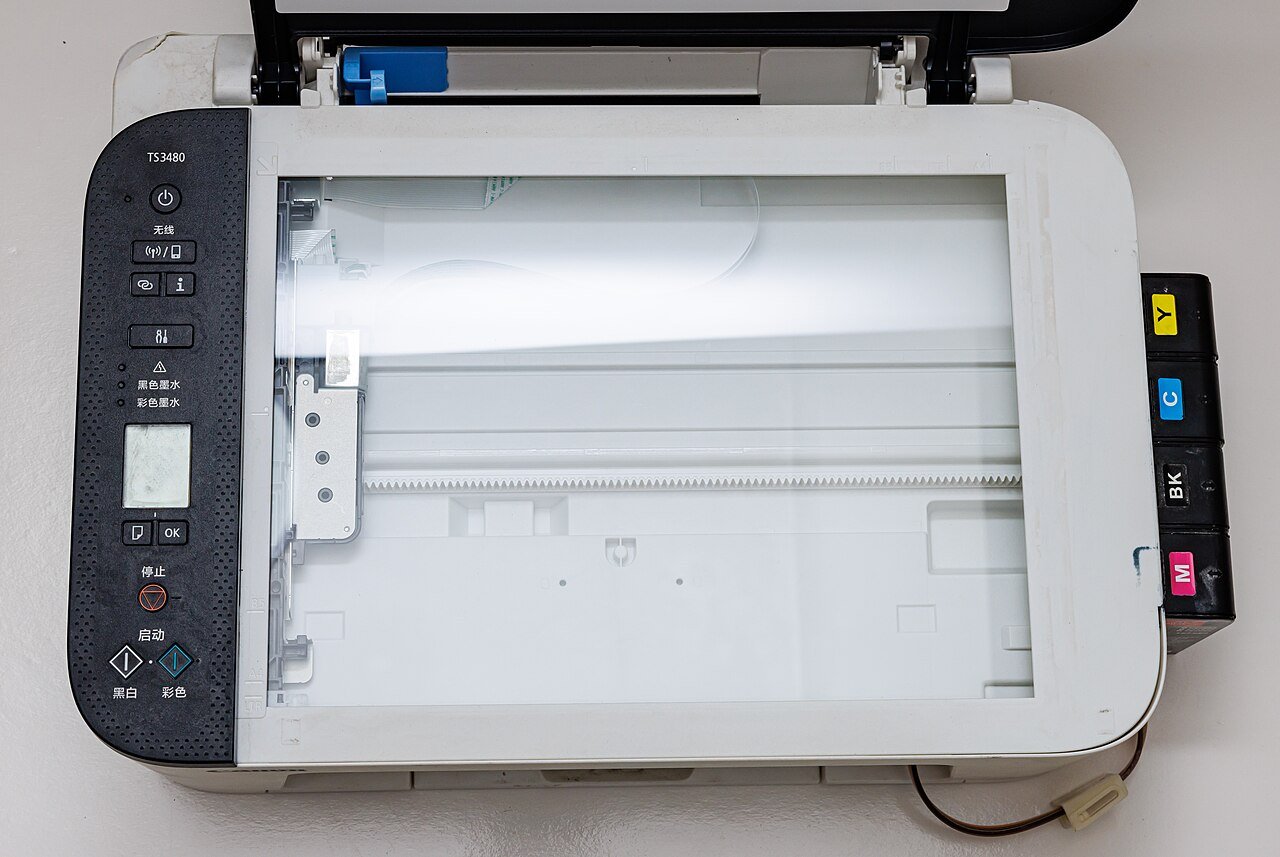
This is where the comparison gets important. Laser toner per page: approximately $0.015-$0.05 for black, $0.05-$0.12 for color. Inkjet ink per page: $0.03-$0.08 for black, $0.08-$0.25 for color with standard cartridges. EcoTank or ink tank inkjet systems reduce this dramatically to $0.01-$0.03 per page across colors – competitive with or cheaper than laser. The key insight: EcoTank inkjets blur the cost advantage that laser printers traditionally hold.
Reliability and Maintenance
Laser printers have fewer moving parts in the ink delivery system and are generally more reliable over long periods. Toner does not dry out if the printer sits unused for months – resume printing after a two-month absence and it works immediately. Inkjet print heads can clog if the printer sits unused for extended periods. Modern inkjets run automatic cleaning cycles to prevent this, but extended inactivity (several months) can still cause issues requiring cleaning cartridges or manual maintenance.
Upfront Cost
Basic inkjet printers start under $60. Basic laser printers start around $100-$120. Premium inkjets for photos or high-volume office use: $200-$700. Premium laser all-in-ones for offices: $300-$600. The upfront price difference is real but often recoverable in lower per-page costs over 1-2 years for moderate-use laser printers.
The Decision Framework
Choose laser if: you primarily print text documents, you share a printer in a small office, you print 200+ pages per month, or the printer will sit unused for weeks at a time between uses.
Choose inkjet if: you print photos or color-critical materials, you print at lower volumes, you prefer the lower upfront cost, or you are willing to pay more per page for better color output.
Choose EcoTank inkjet if: you want inkjet color quality with laser-competitive running costs and are willing to pay the higher upfront price for a refillable tank system.
For specific recommendations in each category, read our reviews of the Epson EcoTank ET-4850, the Brother MFC-L3770CDW color laser, and our guide to the best home printers under $200.